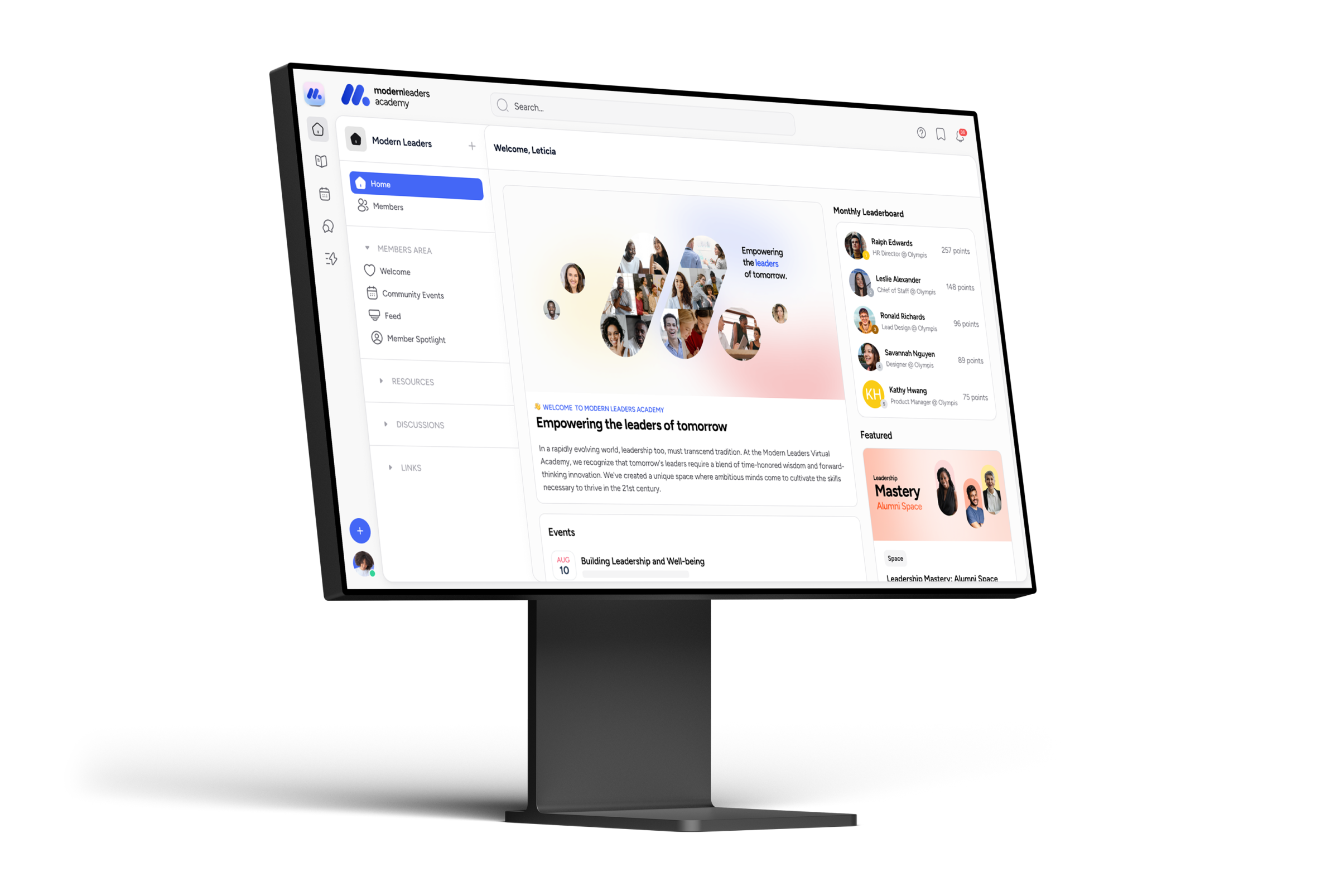
Medium length hero heading goes here
The AI-Native Learning Platform for Unlocking Human Potential

Stop spending months building learning experiences your members won't finish. Disco's AI agents turn your knowledge into active, personalized learning experiences that drive real transformation.


We believe learning is how we unlock human potential. AI empowers that reality.
AI is reshaping every industry, every role, and every assumption about how we create value. The organizations that thrive won't just adopt AI. They'll be the ones who unleash the full potential of their people alongside it.
We built Disco to give every learning organization the power to create transformative experiences that are social, personal, and deeply human.
Read Our Manifesto ->
A personal learning assistant for every member
The Learner Agent works alongside each member, answering questions the moment they arise, reinforcing understanding before it fades, and creating safe spaces to practice new skills, all without a instructor needing to be with you every step of the way.
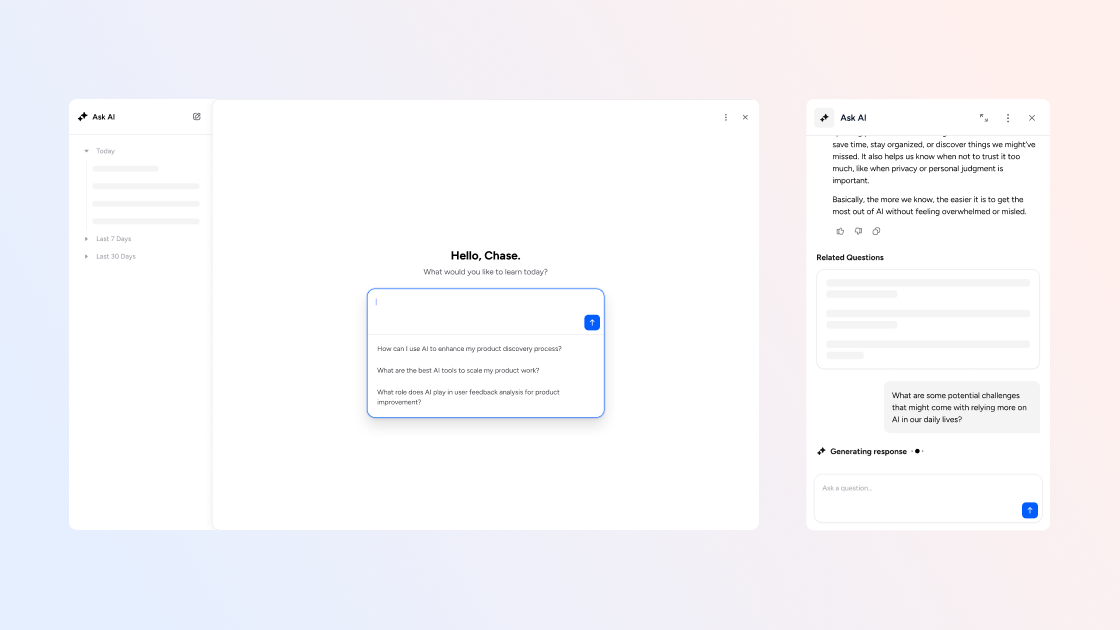

Ask AI
Learners get instant answers grounded in your knowledge. When someone gets stuck mid-module, Ask AI surfaces the right knowledge immediately, so no one falls through the cracks.

Knowledge Check
In-the-moment assessments that reinforce comprehension right when it matters. Knowledge check identifies gaps and suggests what to revisit, without disrupting the learning flow.

Roleplay
Learners rehearse real-world scenarios (difficult conversations, sales calls, manager moments) in a safe, AI-powered simulation. Practice before performance. Confidence before the real thing.
From expertise to fully personalized learning programs, in minutes
Your organization holds years of knowledge inside documents, decks, and the minds of your best people. The Design Agent unlocks it. It builds the curriculum, writes the content, and tailors every program to your audience's skill level and learning goals, so what you launch actually fits the people taking it.
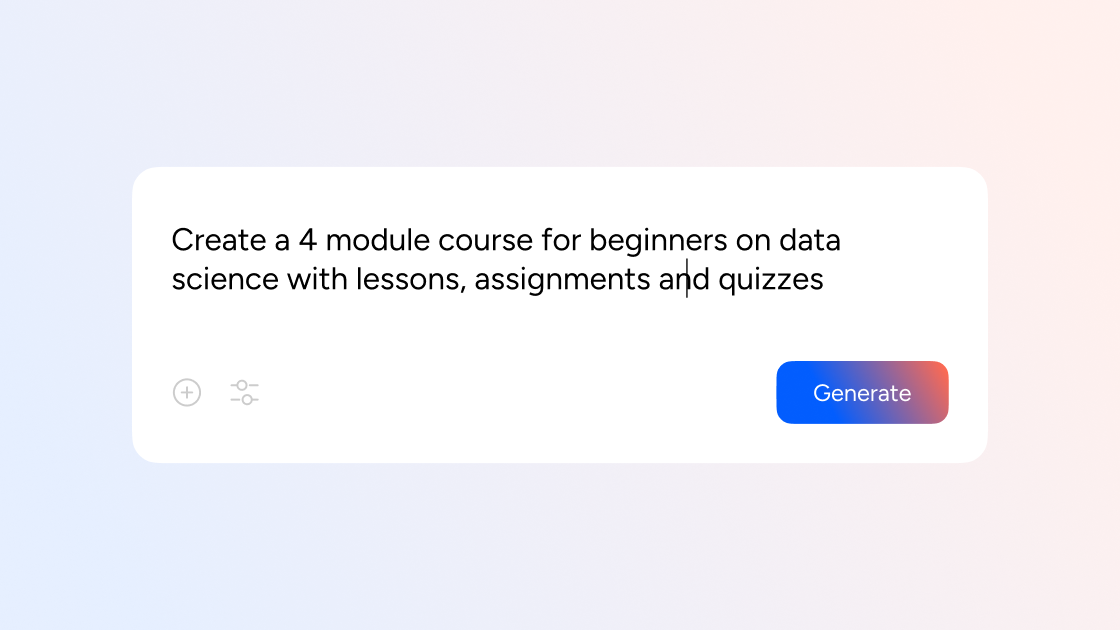

Program Generator
Describe your audience, upload your materials, and build a complete learning program: structured modules, lessons, and assessments to save time on instructional design.

Content Generator
Draft compelling lessons and learning materials grounded in your subject matter and written in your voice. Consistent, on-brand, and curriculum-aligned from the first lesson to the last.

Quiz Generator
Turn any lesson or topic into well-crafted assessments automatically. All calibrated to your learning objectives so testing becomes a feature of great design, not an afterthought.

Beautiful image assets, generated on demand
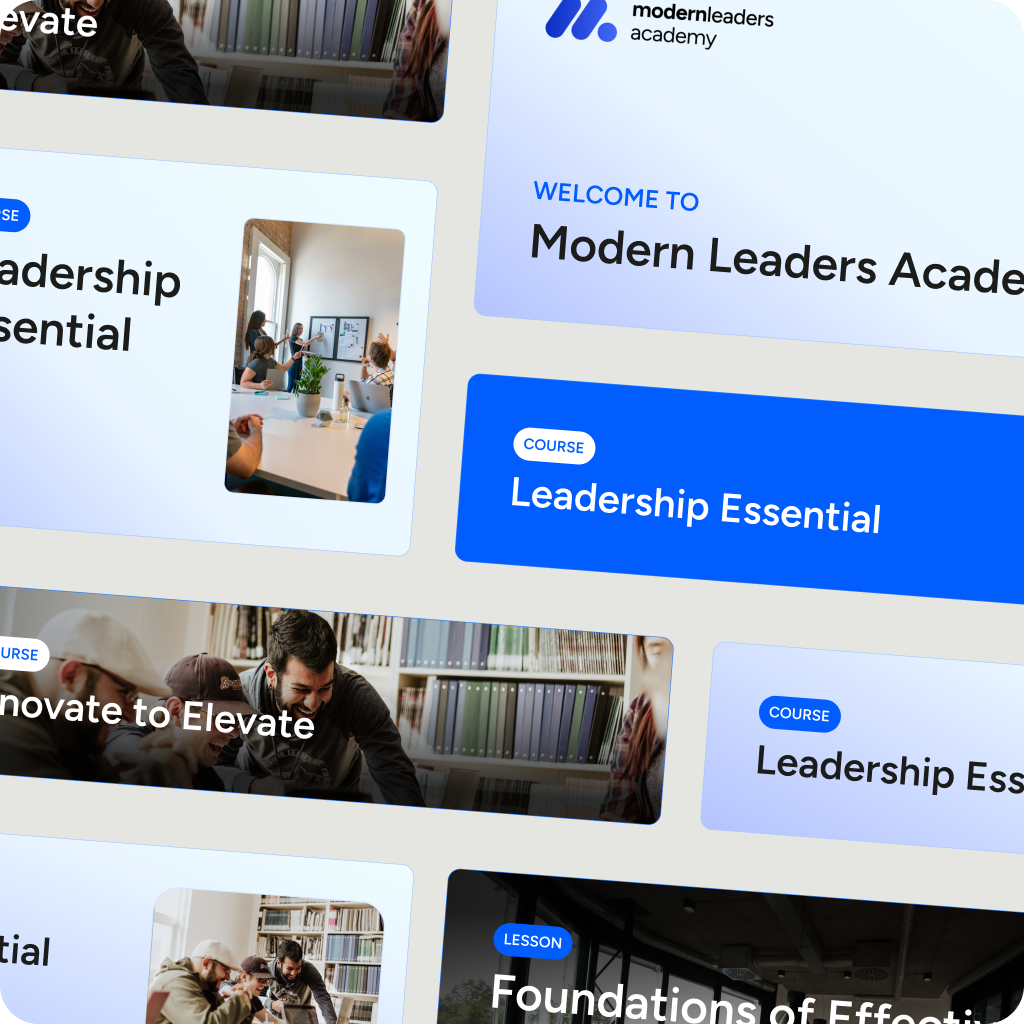
Create on-brand visuals for your courses without a designer, a stock subscription, or a lengthy creative brief. Generate beautiful imagery and create branded images with text giving your academy a polished, professional look from day one.

Yung Wu
Chair, Board of Directors

Drive member connection and engagement with AI
The Community Agent reads the pulse of every channel, surfaces moments that need attention, and helps facilitators show up with something meaningful to say, without ever starting from a blank page.
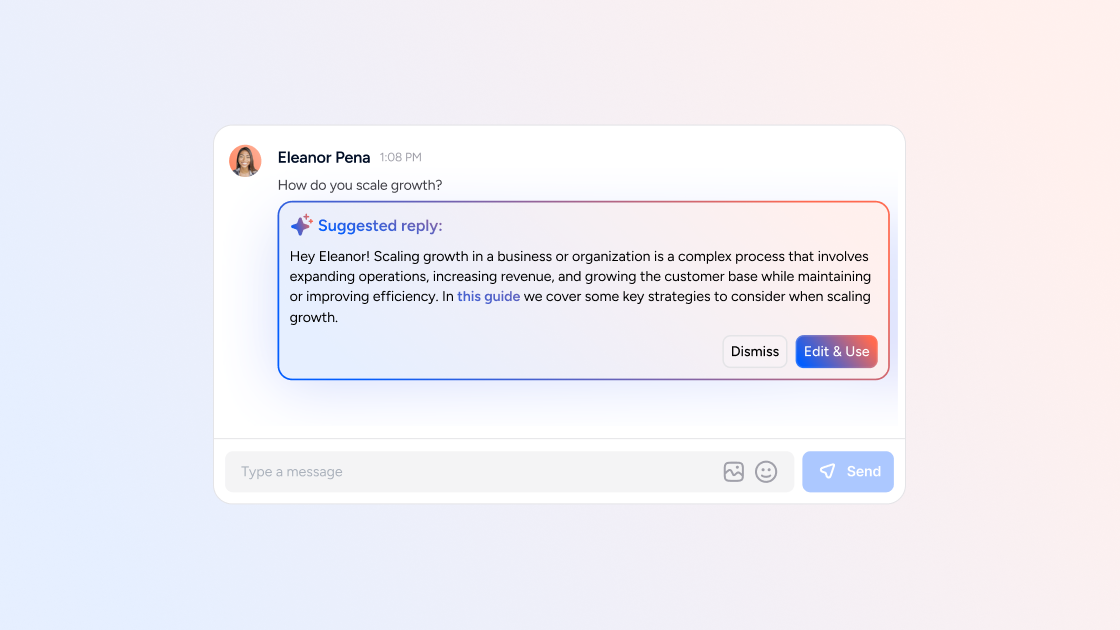

Suggested Channel Replies
The Community Agent reads active discussions and surfaces smart, contextual reply suggestions so facilitators can engage meaningfully without re-reading the entire thread.

Suggested Messages & Posts
Proactively suggests conversation starters and discussion prompts based on where learners are in the program and what the community needs right now. No more staring at a blank post.

Message & Post Generator
Draft polished announcements, engagement posts, and community updates in your brand voice, in seconds. Show up consistently, even on the busiest program weeks.
Run a world-class learning academy in a fraction of the time
The Operations Agent handles the admin complexity of running your programs. It surfaces insights your team needs to act on and keeps your academy feeling intentional at every touchpoint.
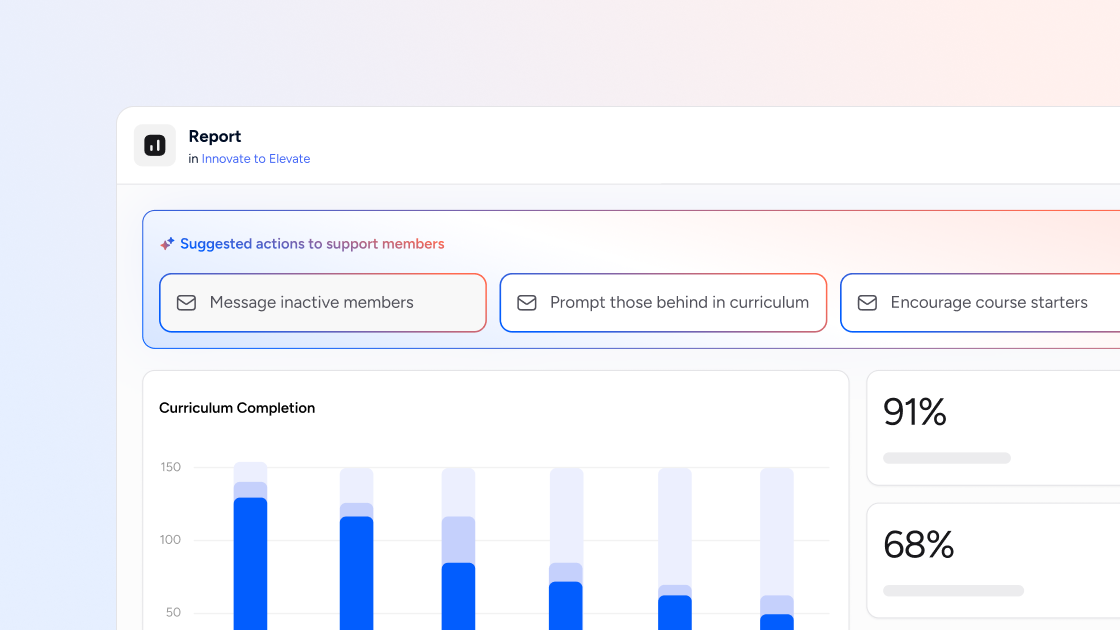

Suggested Action Reports
Surface the right insights at the right time. Flag at-risk learners and identify members who have yet to start. Not just data: recommended actions you can take today.

Academy Description Generator
Write compelling, well-crafted descriptions for your academy. Aligned with your program goals and your brand tone, so your academy feels intentional from the first click.

Smart Automations
Automate repetitive workflows and create personalized member experiences through robust automations that put managing your academy on auto-pilot.

Built in AI tools to power every learning program for a modern experience
Beyond the four agents, Disco includes a set of AI-powered utilities that handle time-consuming tasks automatically. Your content is always richer, and your team always faster.

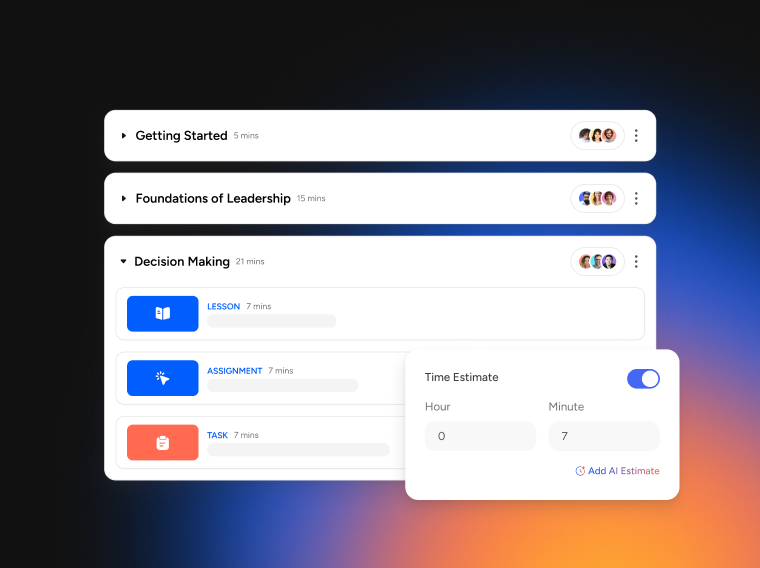
Time Estimates

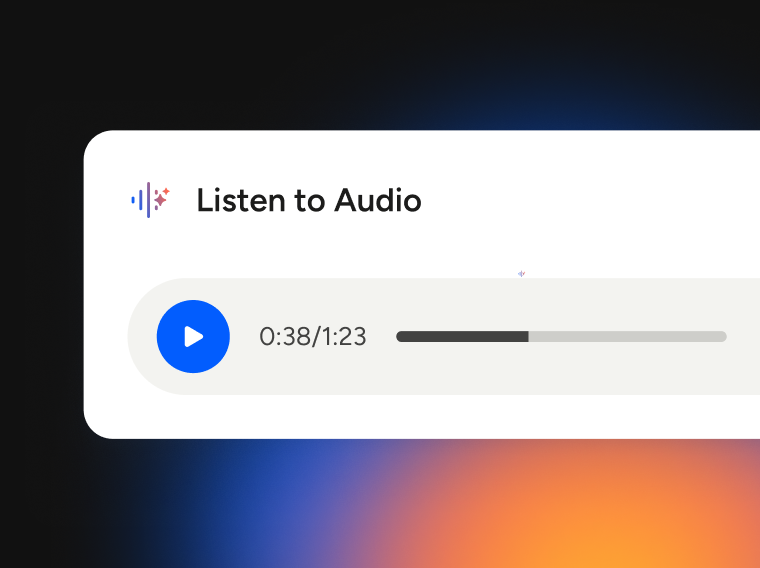
AI Audio Narration

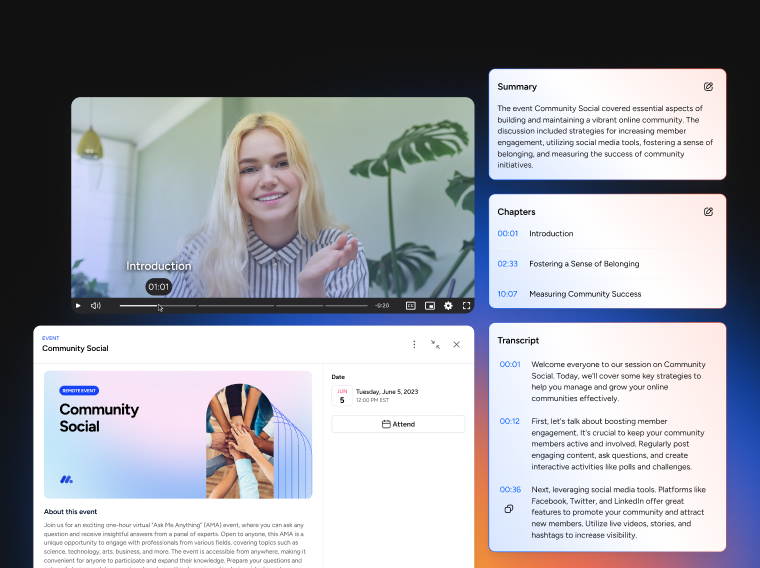
AI Video Transcripts, Summaries & Chapters

Enterprise-grade security you can trust




Questions about Disco AI
Most AI learning platforms bolt AI onto static content delivery tools. Disco is AI-native, meaning our core platform iss designed to combine AI with social, cohort-based learning. The result is experiences that are faster to build, more personalized for learners, and far more likely to drive real behavior change. We enhance human connection, not replace it.
You bring your existing content like documents, slides, videos, or even raw expertise described in a prompt. Disco AI analyzes your material and instantly structures it into a complete curriculum with lessons, assessments, and discussion prompts. You review, refine, and publish. What used to take months of instructional design work now takes minutes.
Yes. Disco AI can personalize a learning experience based on each learner's role, prior knowledge, progress, and context. Rather than delivering the same content to everyone, Admins can build a dynamic program that reflects where each person actually is and where they need to go.
In the future, we plan to enable even more advanced personalization of programs to align with the desired skills and transformation with a more tailored coach agent.
Absolutely. Your intellectual property remains yours. Disco treats your content with strict confidentiality — it's used to generate your programs for your learners, never shared across organizations or used to train Disco's models.
Synthetic audio narration is an upcoming Disco AI feature that transforms written lesson content into natural, human-like audio narration — without needing to record anything. Learners will be able to listen to lessons on the go, expanding how and when they engage with your programs. It's launching soon. Join the waitlist to be first in line.
Yes. Disco offers a free trial that lets you experience Disco AI functionality like AI Program Generator, Ask AI and more firsthand. No credit card required. Most customers spin up their first learning program within their first session.
Launch your premium training academy
Start building your branded academy with AI-powered course creation tools that make it effortless to turn your expertise into transformative training programs.