


Top online academy platforms for businesses in 2026
TL;DR
The corporate training market is projected to reach $805.6 billion by 2035. The platforms businesses use to train employees, educate customers, and monetize expertise need to do more than host video content. This guide covers the top online academy platforms, what separates them, and how to choose the right one for your use case.
Businesses that build learning programs are investing in one of the highest-leverage activities available to them. Workplace training positively impacts 92% of employees' job engagement. Companies with comprehensive training programs report significantly higher revenue per employee. The corporate training market is on track to reach $805.6 billion by 2035.
But the platforms businesses use to deliver that training vary enormously in what they actually support. Traditional LMS tools built for compliance delivery look nothing like the platforms built for cohort-based customer academies or premium training businesses. Choosing the wrong one means paying for infrastructure that creates friction instead of removing it.
This guide covers the top online academy platforms available in 2026, what distinguishes each, and how to match the right tool to your use case.
What to look for in an online academy platform
AI-powered content creation. Building high-quality programs manually is slow. Platforms with AI tools that generate course outlines, draft content, and create assessments from existing knowledge dramatically reduce time-to-launch without sacrificing quality.
Cohort-based learning support. Self-paced courses average 3 to 15% completion. Cohort-based programs, where groups of learners move through content together, achieve up to 85% completion. Platforms built for cohorts create the accountability and social dynamics that drive those outcomes.
Community and social learning tools. Learning is social. Platforms with built-in discussion channels, live events, direct messaging, and peer interaction create environments where learners stay engaged rather than drifting away between sessions.
Automation and integrations. Running programs manually doesn't scale. Automated onboarding, smart reminders, and seamless integrations with your existing CRM, payment, and communication tools are the operational layer that makes growth possible.
Top online academy platforms for businesses in 2026
1. Disco
Disco is purpose-built for businesses that want to deliver transformational learning experiences, whether for employees, customers, or external training programs. It combines AI-powered program creation, cohort-based learning infrastructure, community tools, and operational automation in one platform.
The AI Canvas builds entire programs from existing knowledge in minutes. Ask AI provides learners with instant, curriculum-specific answers. Smart nudges and automated workflows handle the operational layer without adding to the team's workload. Live events, group channels, and gamification keep cohorts engaged through to completion.
Chipp, a customer education platform, used Disco to activate learning for 400+ customers through a purpose-built customer academy, driving product adoption and engagement at a scale that would have required significant manual effort on a traditional LMS. Read the Chipp story.
Explore the full Disco AI suite, or see how it fits your use case in minutes.
2. 360Learning

360Learning focuses on collaborative learning for internal teams, giving subject matter experts tools to create and share content across the organization. It's a solid fit for enterprises decentralizing content creation. For external training businesses or customer academies, it lacks the monetization tools and community infrastructure that purpose-built platforms provide.
3. Docebo

Docebo is a well-established enterprise LMS handling large-scale compliance training, AI-driven personalization, and deep integrations with enterprise software ecosystems. Its complexity and pricing make it a heavy fit for training businesses or mid-sized organizations that want to move quickly and keep operations lean.
4. Skilljar

Skilljar is purpose-built for customer and partner education, with strong CRM integrations that help software companies track how training drives product adoption. It serves that use case well. Organizations looking for a platform that equally supports employee training, community-driven learning, or cohort programs will find it narrowly scoped.
5. Kajabi
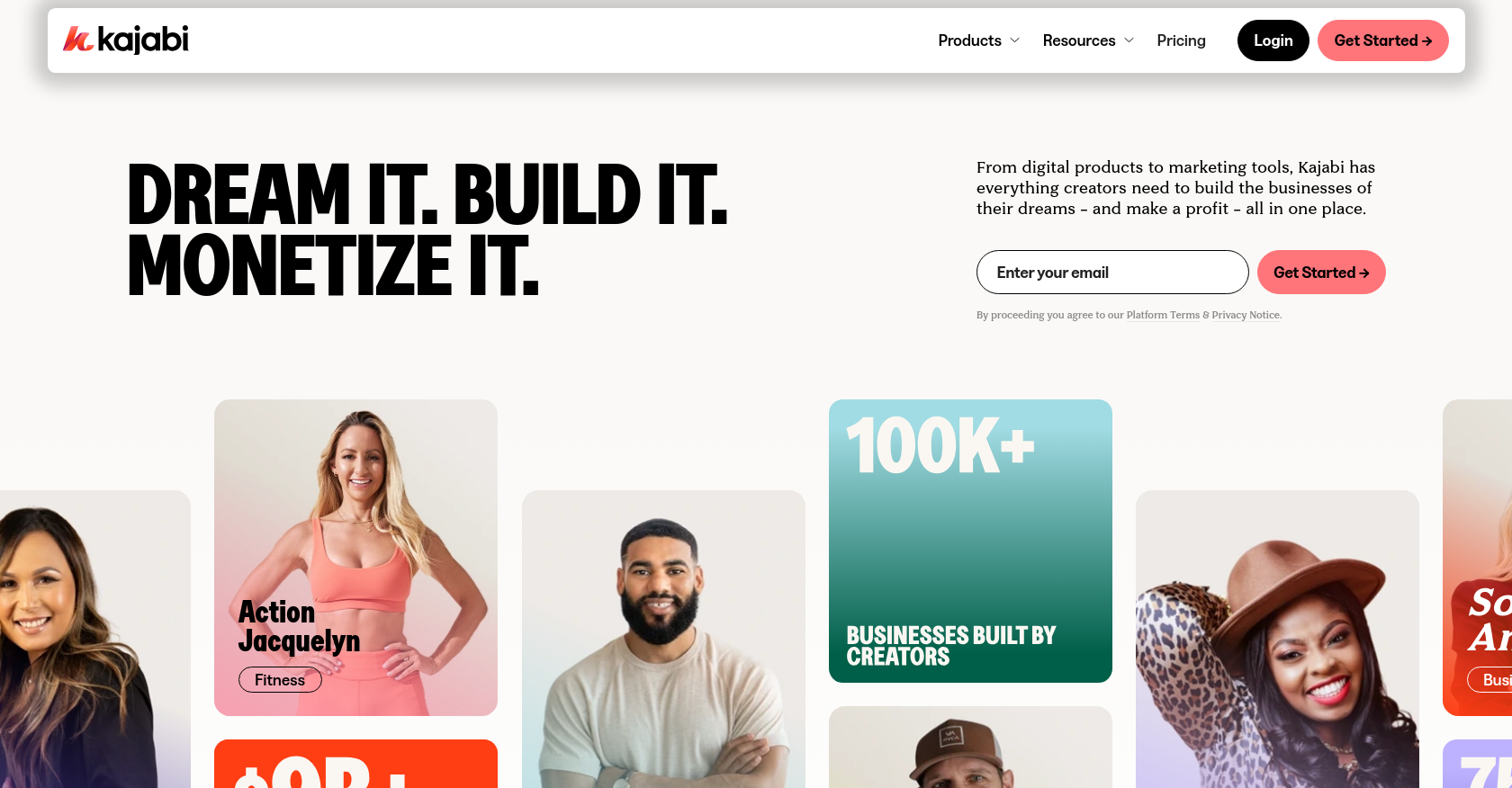
Kajabi is widely used by individual creators and small course businesses for its marketing automation and course sales infrastructure. Its community and cohort-based learning tools are more limited than dedicated social learning platforms, making it a weaker fit for businesses running structured programs with high engagement requirements.
6. Circle
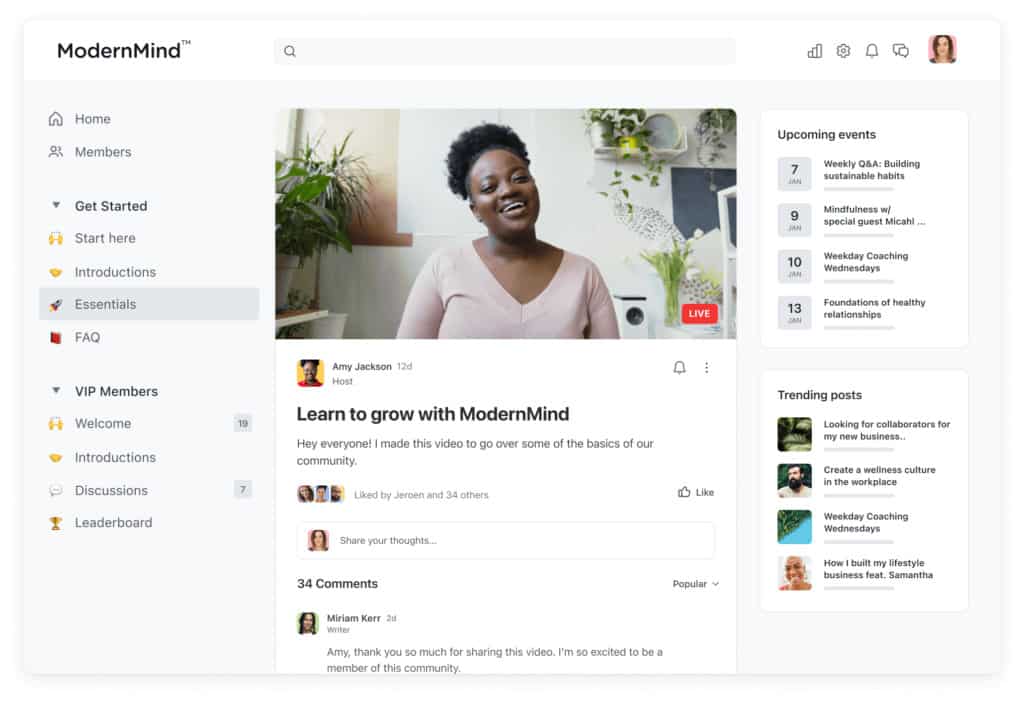
Circle started as a community platform and has added course creation features. It excels at organizing discussion and building member engagement. Because its foundation is community rather than structured learning, it lacks the curriculum management, AI automation, and learning analytics that comprehensive business academies require.
7. Thinkific and Teachable
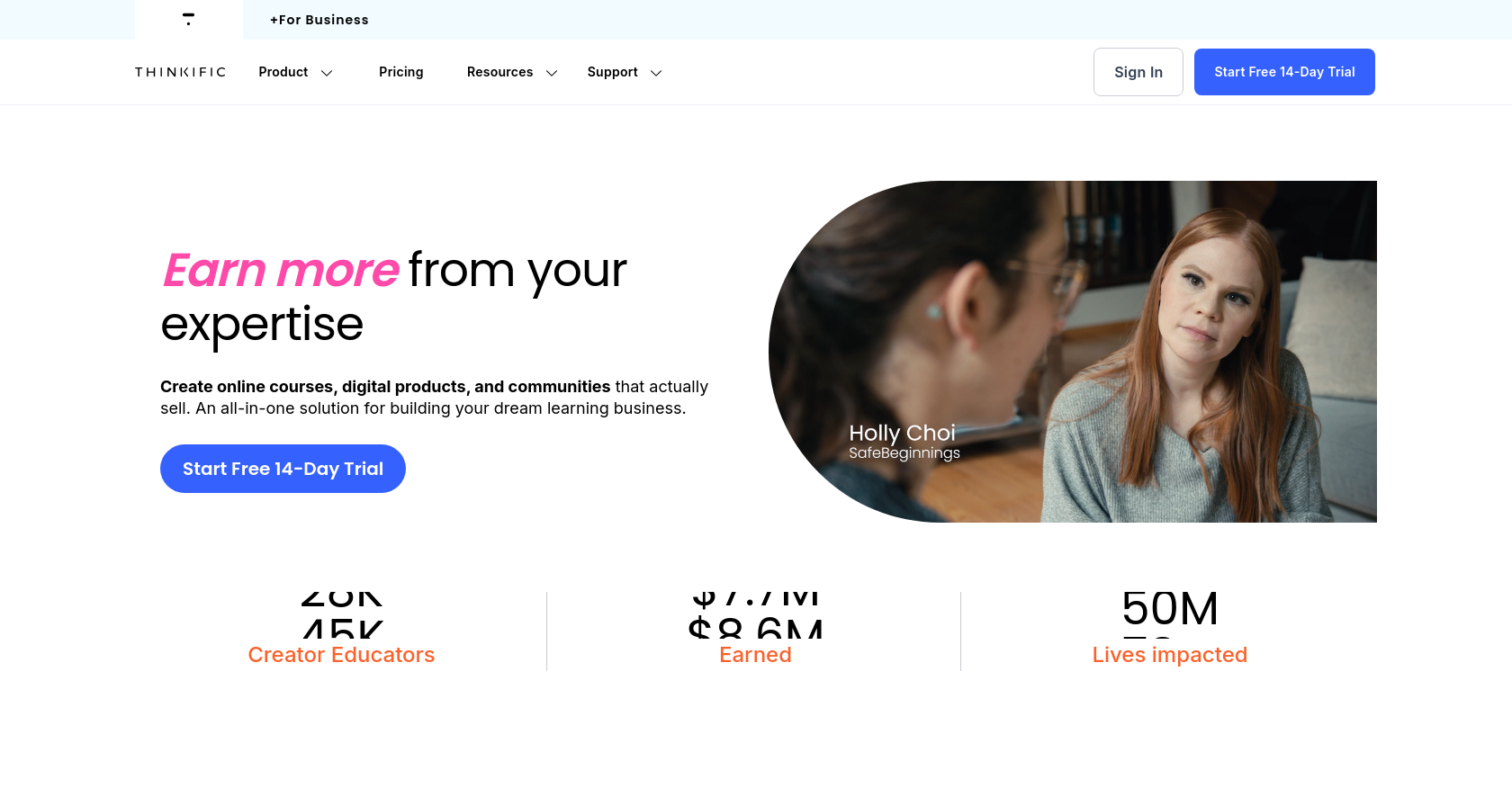
Both platforms are accessible entry points for launching self-paced video courses. They handle content hosting and payment processing cleanly. As program complexity grows, both platforms require patching in external tools that quickly add friction and cost.
8. LearnWorlds
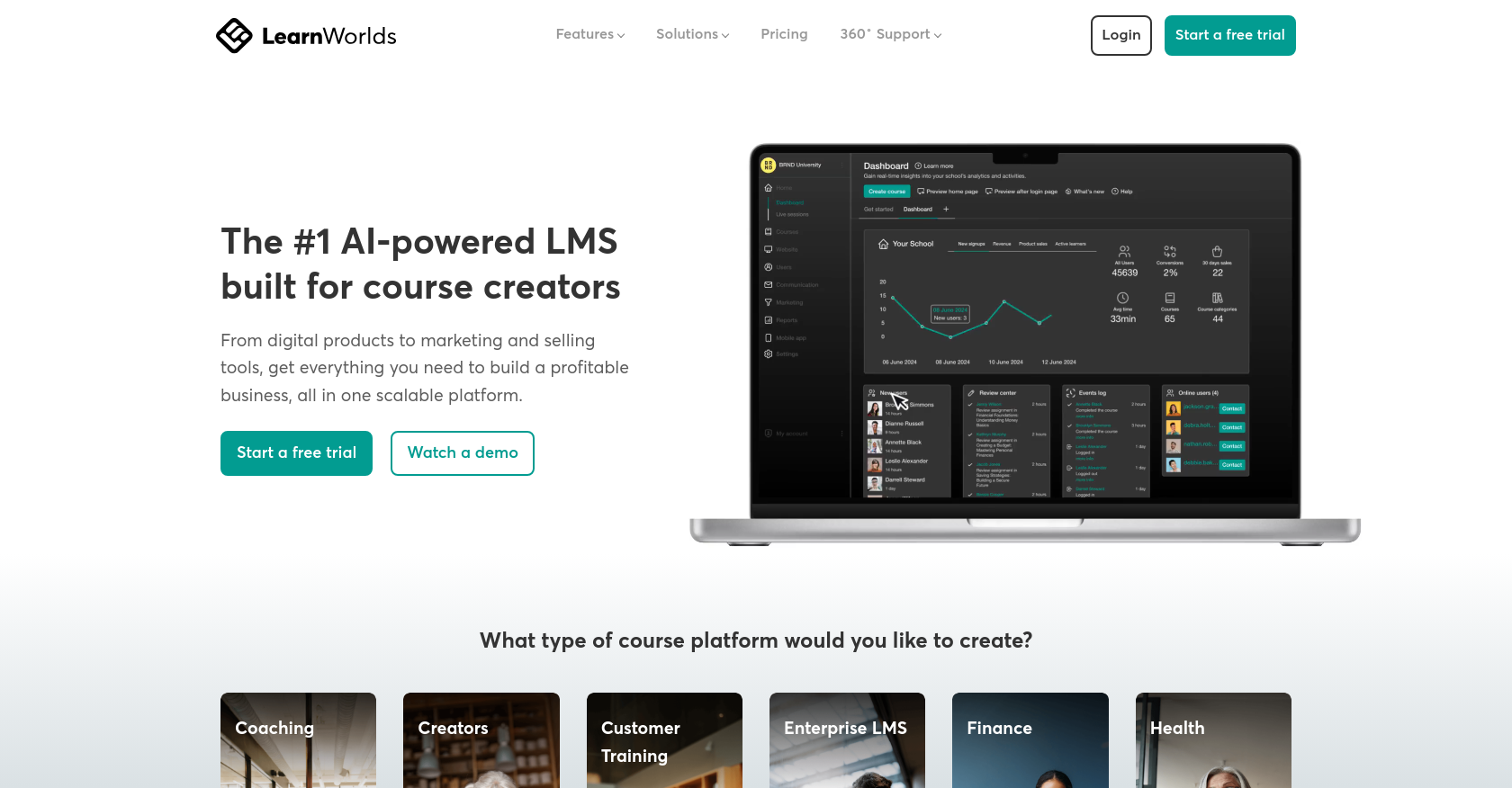
LearnWorlds offers white-label course creation with interactive video tools and a built-in social network. It's a solid option for creators who want branded course delivery. Its interface can be complex to navigate, and its AI and community features don't reach the depth of platforms built specifically for cohort-based social learning.


