


Best AI Tools for Learning and Development Teams (2026)
TL;DR
- What it enables: AI tools for learning and development reduce L&D costs by 40% while automating content creation and administrative tasks
- What it includes: Generative AI, personalized learning paths, analytics, community engagement, and integration capabilities
- Key elements: Data security, customization options, usability, robust analytics, and employee engagement features
- Top 5 for 2026 include: Disco, ChatGPT, Consensus App, Cegid Pulse, and Animaker
- Why it matters: Transforms L&D from labor-intensive to efficient, personalized, and data-driven learning experiences
AI in L&D: Where are we now?
AI tools for learning and development are a game-changer
Investments in AI tools can lead to significant cost reductions, potentially saving L&D organizations 40% by optimizing processes and reducing manual labor.
In fact, AI-generated data allows organizations to assess the effectiveness of their L&D initiatives, leading to better cost management and informed decision-making.
AI tools save valuable time for learning designers, enhancing overall efficiency in L&D processes. Automating repetitive tasks and enabling more frequent content updates, AI makes L&D less labor-intensive, learner-friendly, and cost-effective.
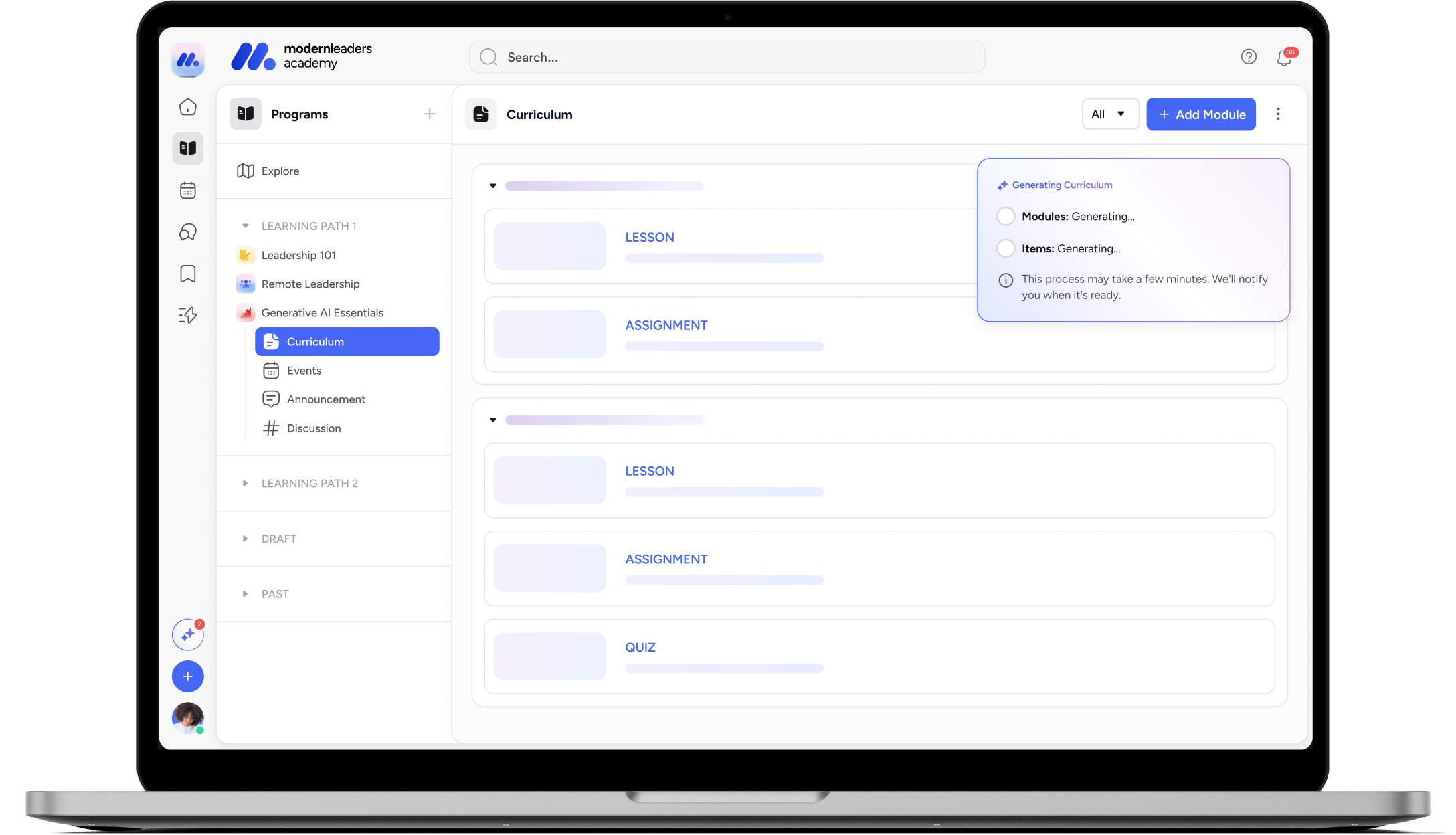
As a result, L&D professionals can dedicate more time to designing impactful learning experiences instead of administrative tasks.
As AI tools become more integrated into L&D, the roles within these teams are evolving.
AI offers creative capabilities that go beyond content generation, such as building bots and innovative learning paths. Consequently, L&D professionals can shift their focus to more human-centered tasks that AI cannot perform, such as mentoring and coaching.
AI is now a core component of workforce training courses, moving from experimental to essential tools in L&D.
AI in L&D: 2026 trends to watch out for every L&D manager
As we look to the future, several exciting trends in AI for L&D are on the horizon.
One of the most crucial trends is AI literacy for employees. As AI becomes more integrated into various roles, employees and employers must focus on upskilling and reskilling to bridge existing skill gaps.
This involves teaching employees how to learn quickly and effectively, integrating learning seamlessly into the flow of work.
Reinforcement learning, a type of machine learning, is expected to play a significant role in automating jobs by allowing AI to learn from real-time feedback. This capability will enable more adaptive and responsive learning solutions, paving the way for highly personalized and efficient training programs.
Additionally, advancements in generative AI tools will continue to enhance the creation of learning content, making it more interactive and engaging.
Integrating deep learning techniques will further refine AI's ability to understand and respond to complex learning scenarios, ultimately transforming the landscape of learning and development.
Moreover, as organizations focus on upskilling, the mental health of employees remains a priority. Ensuring that employees are supported mentally while they adapt to new skills and roles is crucial for maintaining productivity and morale.
While the specifics of AI tools and education in 2026 remain uncertain, the emphasis on bridging skill gaps and integrating learning into everyday work processes is paramount.
The future of AI in L&D promises a more dynamic, efficient, and learner-centric approach to education.
What makes a great AI tool for L&D teams? Factors to consider
Selecting the right AI tools for your L&D needs requires careful consideration of several factors.
Start by establishing clear goals, such as improving learner engagement, reducing administrative burdens, or personalizing learning experiences.
It's crucial to evaluate if the AI tool's features align with your educational objectives:
- Generative AI: Opt for tools that leverage generative AI to enhance content creation in just a few clicks, making AI-powered learning materials more dynamic and interactive.
- Built-in Trainable AI: Choose AI tools that offer the capability to train with your own data, allowing for personalized and context-specific learning experiences.
- High Data Security and Privacy: Ensure that the tool complies with relevant data protection laws and offers a robust support system to safeguard sensitive information.
- Deep Customization with White-Labeling Solutions: Look for AI tools that offer deep customization options, including white-labeling solutions, to tailor the platform to your brand's needs.
- Robust Integration and Automation Features: Integration capabilities are essential for ensuring smooth data flow between the AI tool and your existing systems like learning management systems. Automation features can further streamline processes and enhance efficiency.
- Usability and Clean Design: Select tools with an intuitive interface to facilitate user adoption and minimize the need for extensive training.
- Robust Analytics and Reporting: Effective AI tools should provide comprehensive analytics and reporting features to offer insights into learning outcomes and program effectiveness.
- Employee Engagement Tools: Consider tools that include features to boost employee engagement, fostering a more interactive and motivating learning environment.
- Feedback and Skill Analysis: Ensure the tool offers capabilities for analyzing feedback and assessing skills, enabling continuous improvement and targeted development.
Lastly, financial considerations should not be overlooked; ensure you can leverage AI to fit the tool within your budget and scale with your institution's growth.
Experimentation and feedback from users can help you find the best fit for your specific context. Conducting pilot tests with a select group can provide valuable insights and help identify any issues before broader deployment.
Top 5 AI Tools for Learning and Development in 2026
#1. Disco - the all-in-one AI tool for L&D teams
Disco is one of the best AI learning tools available today, serving as an all-in-one AI-powered platform designed to enhance social learning experiences for L&D teams.
Backed by GSV ventures, Disco is trusted by L&D teams from top companies such as CourseHero, Kaplan, the Toronto Board of Trade, and A.CRE.
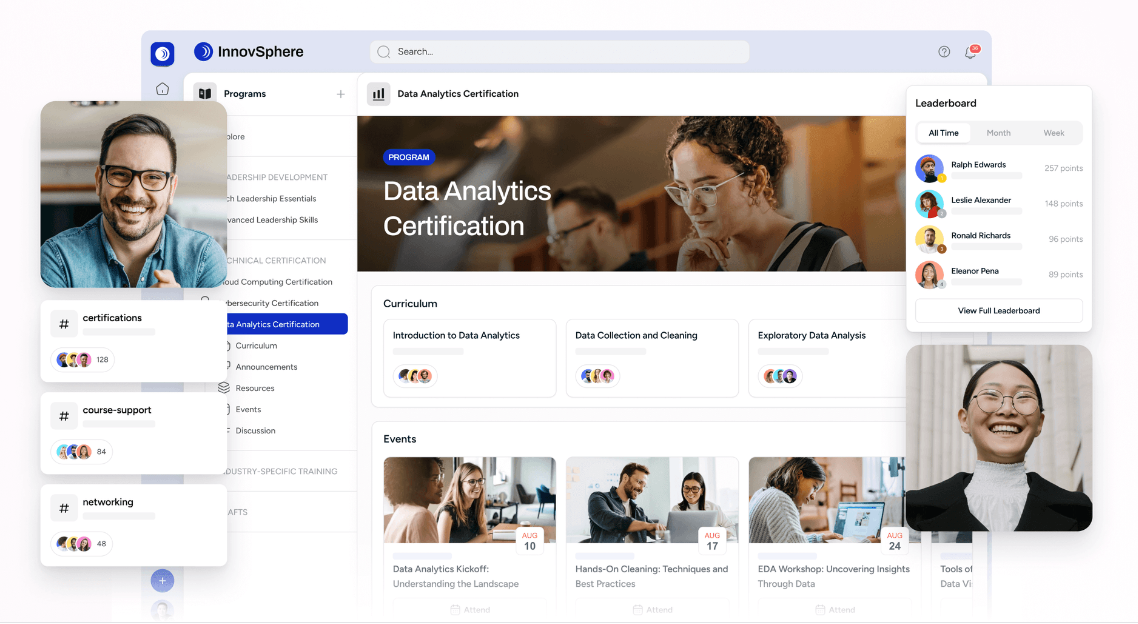
With Disco, you can seamlessly integrate learning into your organization's workflow, making it a valuable asset for any L&D team looking to speed up the content creation process, boost learner engagement, and streamline the training process.
Disco is powered by Disco AI, a built-in AI tool that has several functionalities:
As a Generative AI
- It generates images, text, course outlines, entire curriculums, quizzes, and assignments
- It generates assets for instructional videos such as summaries and transcripts
Experience how Disco AI can generate an entire curriculum in minutes:
As a Community Assistant
- It's trainable with your knowledge base and learners' data
- It answers employee queries, saving you time in managing discussions
- It suggests ways to improve interaction among your members
- It generates discussion posts and channel posts
- You can personalize your tone of voice according to your brand
See how Disco AI re-engage inactive members:
This all-in-one AI tool is perfect for managing your internal employee community and speeding up content creation within a modern learning platform.
In addition to these features, Disco as a platform offers even more capabilities—from social learning experiences to member management and analytics.
Key features:
- A social learning platform that encourages interaction and collaboration.
- Customizable learning paths to tailor educational experiences.
- Integration capabilities with existing systems for seamless workflow.
- Analytics and reporting tools to track learner feedback, progress, and program effectiveness.
- Interactive lessons and collaborative discussions to enhance engagement.
Disco offers a range of pricing plans to suit different organizational needs, including a free tier for small teams and custom pricing for larger enterprises.
🪩 Ready to harness the full potential of AI in your L&D programs? Experience the power of Disco with a 14-day free trial, where you can explore its generative AI and community assistant features. Schedule a demo to connect with our customer representative and see how Disco can transform your training initiatives.

#2. ChatGPT by OpenAI - your conversational AI assistant
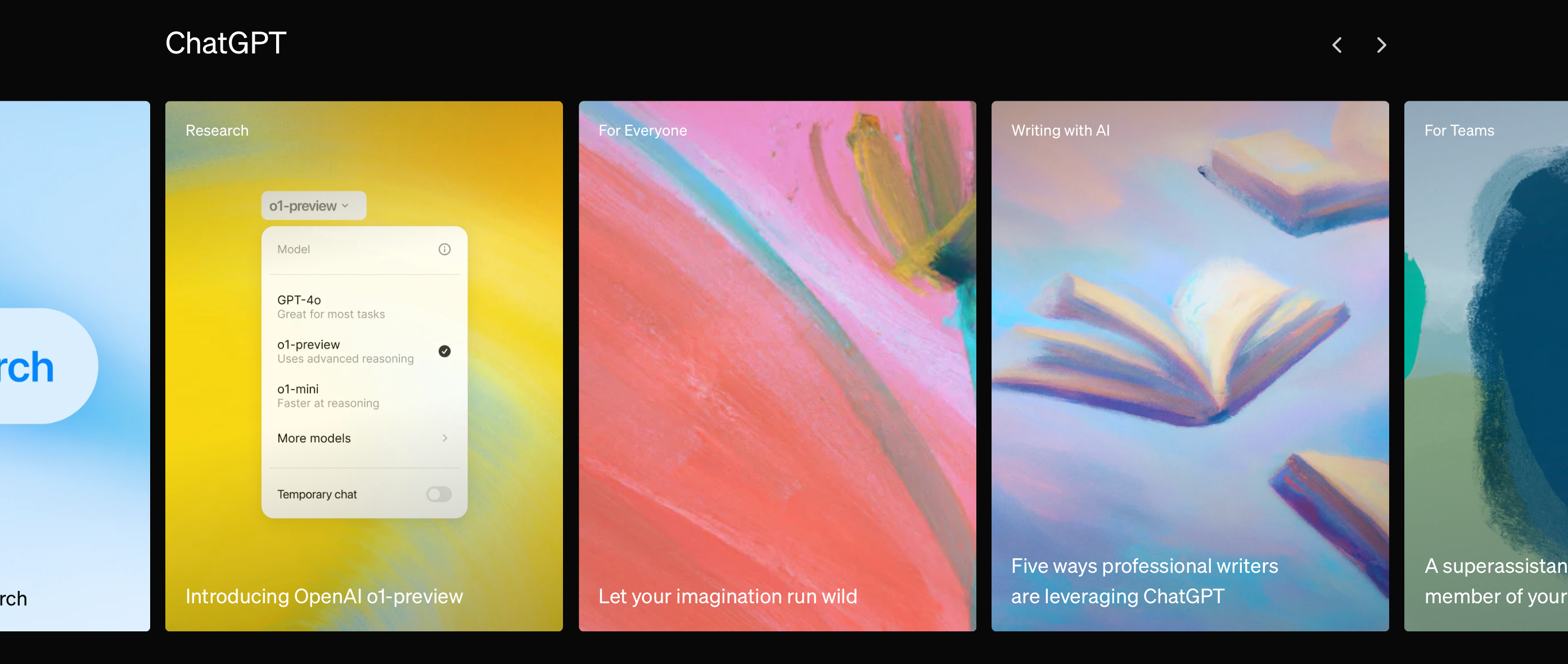
ChatGPT is a versatile AI tool that assists L&D professionals in generating content, answering queries, and providing explanations.
Its conversational AI capabilities make it an invaluable resource for creating engaging and tailored learning materials, enhancing the overall training experience.
Key features:
- Generates course outlines, scripts, and practice problems.
- Offers personalized learning content based on user input.
- Capable of answering complex queries and providing detailed explanations.
- Easy integration with existing learning management systems.
ChatGPT offers a free version with limited features and a paid subscription model for access to advanced functionalities and higher usage limits.
#3. Consensus App - AI search engine for research
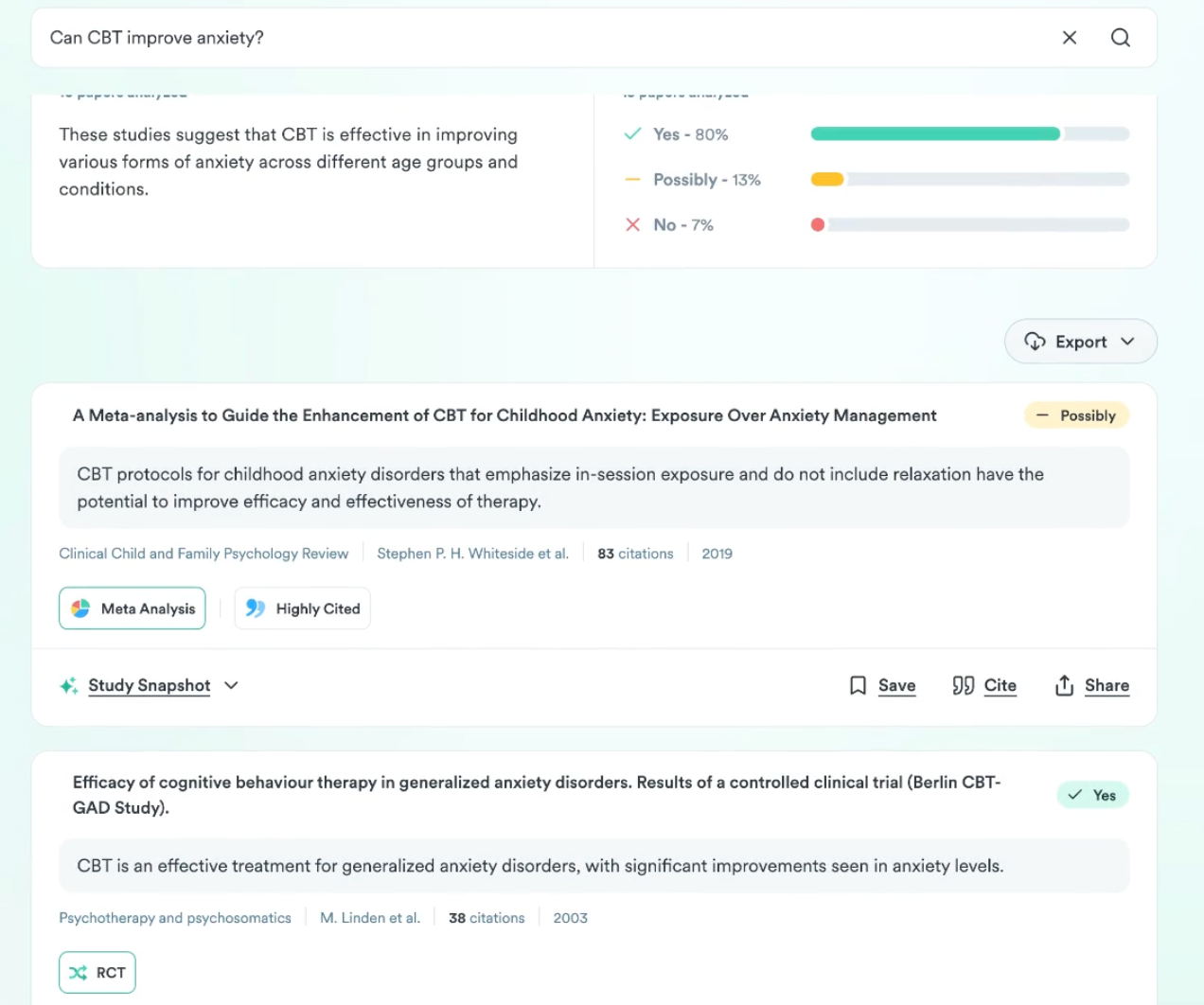
Consensus App is a powerful AI tool designed to streamline the decision-making process within L&D teams by focusing on research papers. It leverages AI to analyze and synthesize research data, providing insights that help tailor learning programs to individual needs.
Key features:
- AI-driven synthesis of research paper data for informed decision-making.
- Facilitates data-backed insights to simplify the customization of learning content.
- Promotes collaboration among team members through consensus-building tools.
Pricing details are available upon request, with options for different organizational sizes and needs.


