


7 Best Online Community Software Platforms for Training Teams (2026)

TL;DR
- What it enables: The right online community software platform transforms passive training participation into active learning through meaningful peer connections and collaboration.
- What it includes: Interactive features, AI-powered personalization, branded academies, live events, analytics dashboards, and seamless payment processing systems.
- Key elements: Intuitive design, mobile accessibility, scalable infrastructure, engagement tools, customization options, and data-driven insights for optimization.
- Top 7 for 2026 include: Disco, Circle, Mighty Networks, Bettermode, Slack, Kajabi, and Hivebrite for various community needs.
- Why it matters: Well-designed online community engagement platforms increase learner retention, accountability, and skill development while reducing administrative burdens through automation.
Understanding Community Engagement for Training Programs
Community engagement drives the success of any training program. When participants feel connected to the learning experience and their peers, they engage more deeply with the material and are more likely to stay consistent. Thoughtful community design is the foundation for turning passive participation into active involvement.
Strong engagement strategies do more than maintain interest; they strengthen accountability and encourage skill development. By combining social connections, learning tools, and seamless operations, training programs can create unified experiences that bring people together around shared goals. With intentional approaches, communities can become spaces where learners grow, connect, and achieve more.
Three Elements of a Thriving Community
- Purposeful Design: A well-designed community reflects the goals of the training program and aligns with the organization's identity. This clarity ensures every interaction contributes meaningfully to the learning experience.
- Interactive Features: Tools like live events, polls, and peer discussion channels encourage learners to participate actively and exchange ideas, keeping the community dynamic and engaging.
- Ongoing Analytics: Measuring engagement through data helps training leaders understand what's working and make meaningful adjustments. With consistent monitoring, communities can continue to evolve and meet the needs of their members.
Key Factors When Evaluating Platforms
Selecting the right platform for your learning community isn't just about features—it's about creating seamless, impactful experiences for both you and your members. Here's what to prioritize when evaluating:
- Simple Interfaces Built for People
A platform should feel intuitive from the first click. Clear navigation, mobile-friendly functionality, and tools that don't require a manual are essential for keeping learners engaged. Add branding customization, and you're not just hosting a community—you're presenting a professional, cohesive identity. - Streamlined Operations That Save Time
Look for platforms that automate the heavy lifting: payment processing, detailed analytics, and member management. These features reduce admin work, freeing you to focus on what matters most—delivering meaningful learning experiences at scale. - Growth-Ready Tools, Including AI
Your platform should grow alongside your business. Scalable pricing models and the ability to integrate advanced tools like AI are key for staying ahead. AI can power everything from personalized content recommendations to operational efficiency, helping you deliver smarter, faster results. - Features That Drive Engagement
Engagement tools are the foundation of any thriving learning community. Live events, leaderboards, and chat capabilities create spaces where learners connect, collaborate, and stay motivated. These aren't just extras—they're what turn passive participants into active contributors.
7 Best Online Community Software Platforms in 2026
Online community software platforms have become the backbone of modern learning programs, elevating how organizations connect, collaborate, and grow. These platforms are more than just digital tools—they're spaces designed to foster meaningful interactions and drive measurable outcomes. In 2026, the best platforms are those that combine thoughtful design with cutting-edge functionality, making it easier than ever to build thriving communities.
Whether you're hosting a virtual academy, managing a professional network, or running a learning-focused membership program, these seven platforms stand out for their ability to create engaging, adaptable, and impactful experiences.
1. Human-Centered Design as the Foundation
The best platforms start with intuitive design. Clear navigation, seamless user experiences, and mobile-friendly interfaces are non-negotiables. Platforms that prioritize simple, elegant design remove barriers to engagement, allowing members to focus on connection and content. The ability to fully customize spaces to reflect your brand identity adds another layer of trust and professionalism to your community.
2. Engagement Tools That Drive Participation
Engagement isn't accidental—it's built into the DNA of great platforms. Features like live events, discussion spaces, and gamified leaderboards aren't just nice-to-haves—they're catalysts for deeper member interaction. Platforms that provide structured ways for members to connect, share insights, and stay involved help transform passive participants into active contributors.
3. Scalable Solutions with Integrated Intelligence
Platforms that scale effortlessly ensure your community can grow without hitting operational roadblocks. AI-driven tools play a pivotal role here, making it possible to automate repetitive tasks, personalize content, and analyze trends without adding to your team's workload. This blend of scalability and intelligence enables you to focus on strategy and creativity while the platform handles the complexity behind the scenes.
As community platforms grow, many organizations discover that scaling custom features, integrations, and user experiences requires additional engineering capacity. In these cases, nearshore development teams can provide a practical way to accelerate platform enhancements while maintaining close collaboration and overlapping working hours. This approach is particularly valuable for training businesses that need to integrate AI-powered functionality, build custom engagement workflows, or expand their learning ecosystems without overburdening internal development resources.
4. Data-Driven Insights for Smarter Decisions
Communities thrive when leaders understand what's working—and what isn't. Platforms equipped with robust analytics tools provide real-time insights into member engagement, content performance, and learning outcomes. These insights empower leaders to fine-tune their strategies, ensuring every decision is backed by data, not guesswork.
5. Mobile-First Accessibility
Modern learners demand flexibility, and platforms designed with mobile-first functionality meet them where they are. Whether members are joining a live event, participating in a discussion, or accessing resources, they should be able to do so seamlessly from any device. Platforms that prioritize accessibility ensure no one is left out of the conversation.
6. Customization that Reflects Your Vision
Every community has its own identity, and platforms that embrace customization allow leaders to design spaces that align with their brand and mission. From visual layouts to content organization, personalization fosters a sense of ownership and belonging among members, helping them feel more connected to the community's purpose.
7. AI-Powered Features That Simplify Complexity
AI is the quiet force reshaping how communities operate. From automating member outreach to generating personalized recommendations, AI makes it easier to create impactful experiences at scale. Platforms that integrate AI into their core workflows reduce administrative burdens, enabling leaders to focus on building relationships and delivering value.
In 2026, the best community engagement platforms are those that combine thoughtful design, intelligent automation, and tools for real connection. These platforms don't just support communities—they elevate them.
Top Community Platforms for Learning Engagement and AI-Powered Innovation
In 2026, community engagement platforms are at the forefront of modern training programs, combining intuitive design, interactive tools, and scalability. Here's a breakdown of the top platforms empowering training innovators to build thriving, connected communities.
Disco
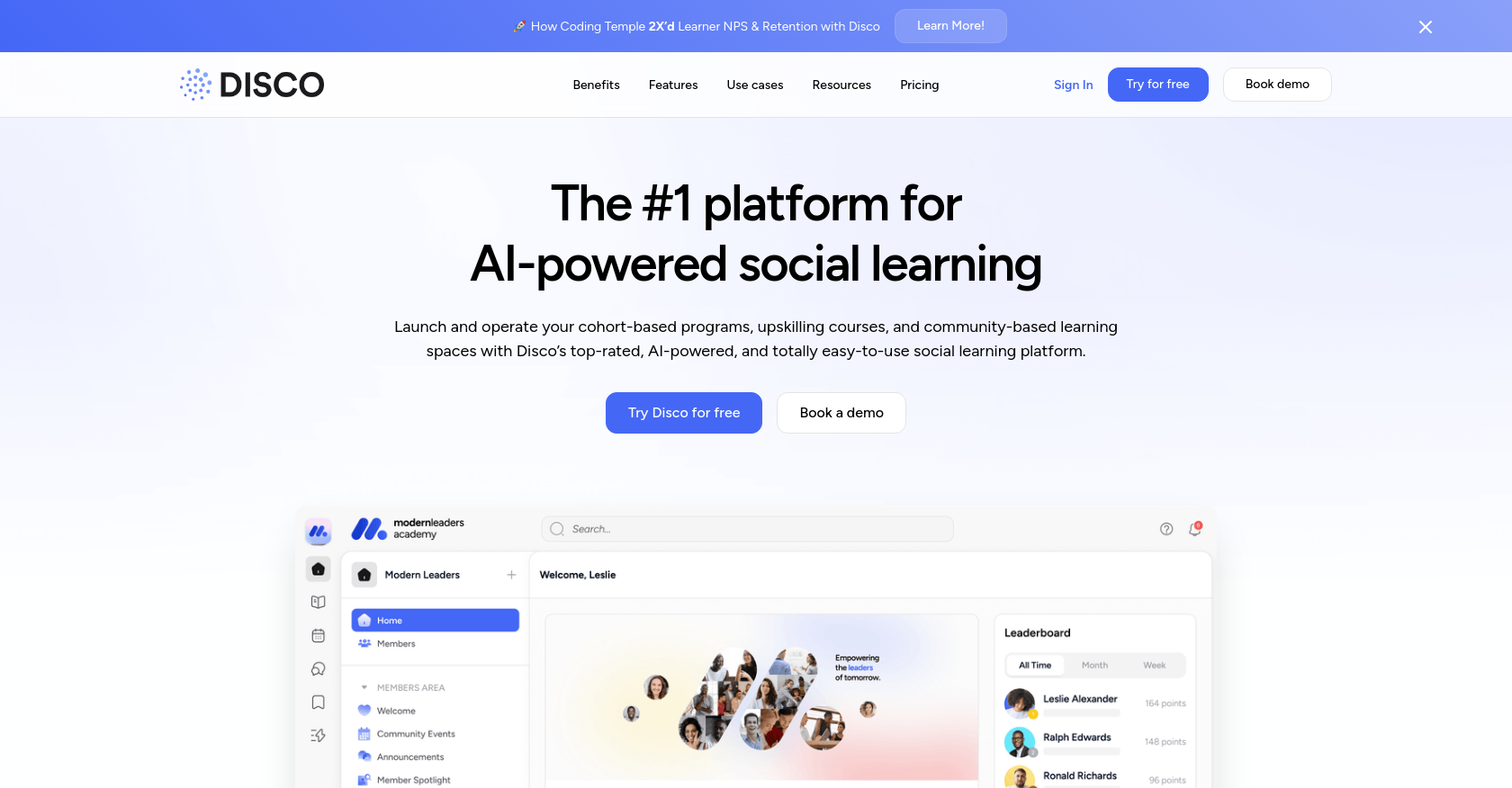
Disco is redefining what the best online community platform looks like for training businesses. By blending AI with community-building tools, Disco delivers a unified online community engagement platform that makes it easier to create personalized, cohesive learning experiences connecting learners and driving lasting impact.
Key Features
- AI-Assisted Community Building and Personalization
Disco's AI simplifies the complexity of managing communities by automating engagement and tailoring experiences for every learner. Whether it's prompting connections between members or generating insights to keep engagement high, AI works behind the scenes to make every interaction meaningful. - Unified Portal for Courses, Events, and Peer-to-Peer Networking
A single space for everything: from courses and live events to direct messages and threaded discussions. This unification ensures learners can seamlessly navigate between knowledge-building and connection-driven activities without breaking focus or momentum. - Payment Gateways and Granular Membership Controls
With Disco, managing memberships and monetizing programs is straightforward. You can offer tiered memberships, control access at a detailed level, and integrate payment systems effortlessly—all while tracking performance through advanced analytics. - Seamless Branding to Maintain a Cohesive Identity
Every detail on Disco reflects your brand. From custom domains to visual design, you have full control to ensure the platform feels like an extension of your organization, delivering a polished and immersive experience for your community.
Circle
Circle is built to foster vibrant, organized communities where every member feels connected and engaged. At its core, Circle's framework revolves around "Spaces," allowing group discussions to remain focused and purposeful. These segmented areas make it easier for community leaders to manage diverse audiences without losing clarity or cohesion.
Events are seamlessly integrated into the platform, enabling leaders to host live sessions, webinars, or casual meetups without juggling external tools. With RSVP capabilities and automated notifications, members stay informed and engaged. For organizations looking to monetize their offerings, Circle supports paid memberships, gated content, and exclusive spaces that encourage deeper participation.
Moderation tools help maintain a respectful, productive environment. Leaders can set permissions, streamline workflows, and ensure conversations stay on track. The platform also integrates with external systems like email marketing tools and CRMs, creating a centralized hub for community operations.
Whether you're managing a budding community or scaling a larger one, Circle offers flexible plans and features designed to grow with your needs. From custom branding to mobile-friendly apps on iOS and Android, the platform ensures a cohesive and accessible experience for all users, no matter where they are.
Mighty Networks
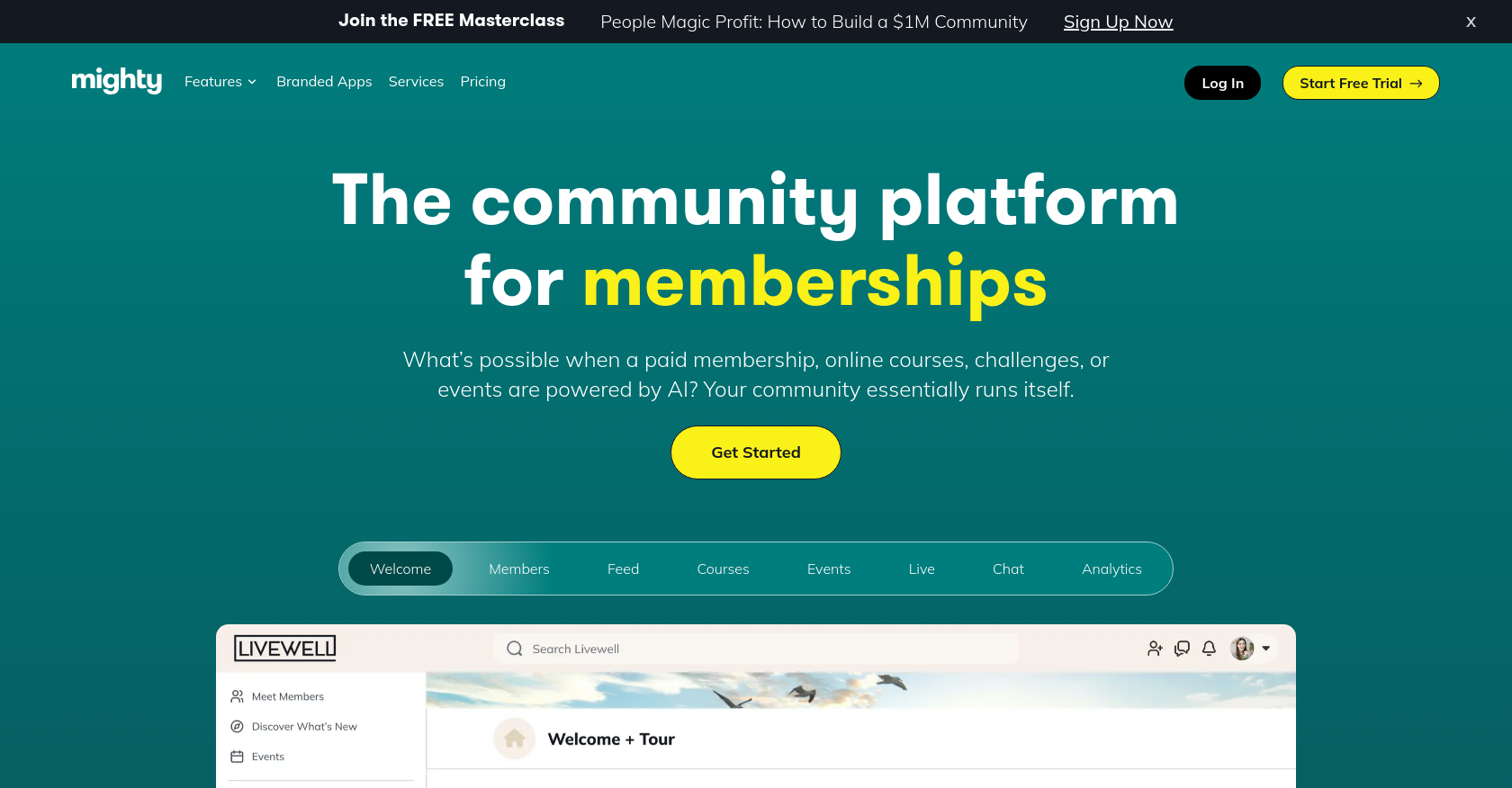
Mighty Networks is a platform designed to bring people together, blending a customizable community structure with tools for learning and monetization. It aims to simplify how creators and organizations build spaces for connection and collaboration, offering a range of features that support growth and engagement.
Key Features
- Customizable Activity Feeds and Profiles
Mighty Networks emphasizes personalization by enabling members to create detailed profiles and engage through activity feeds. These features encourage interaction, allowing members to share updates, participate in discussions, and build stronger connections within the community. - Monetization Options
The platform enables organizations to diversify their revenue streams with options like paid courses, challenges, events, and subscription-based memberships. Flexible pricing and payment structures allow community leaders to adapt offerings to meet the needs of their audience. - Notifications, Messaging, and Mobile Access
Engagement is made seamless with built-in notifications and private messaging, ensuring members stay informed and connected. The mobile app extends this accessibility, allowing users to participate in courses, events, or discussions from anywhere, ensuring continuous interaction without interruption. - Multi-Level Community Structures
For organizations managing large networks, Mighty Networks provides the ability to create tiered spaces for focused interactions. Each space can include features like courses, livestreaming, and chat, giving members access to tailored experiences while maintaining a cohesive community framework.
Bettermode
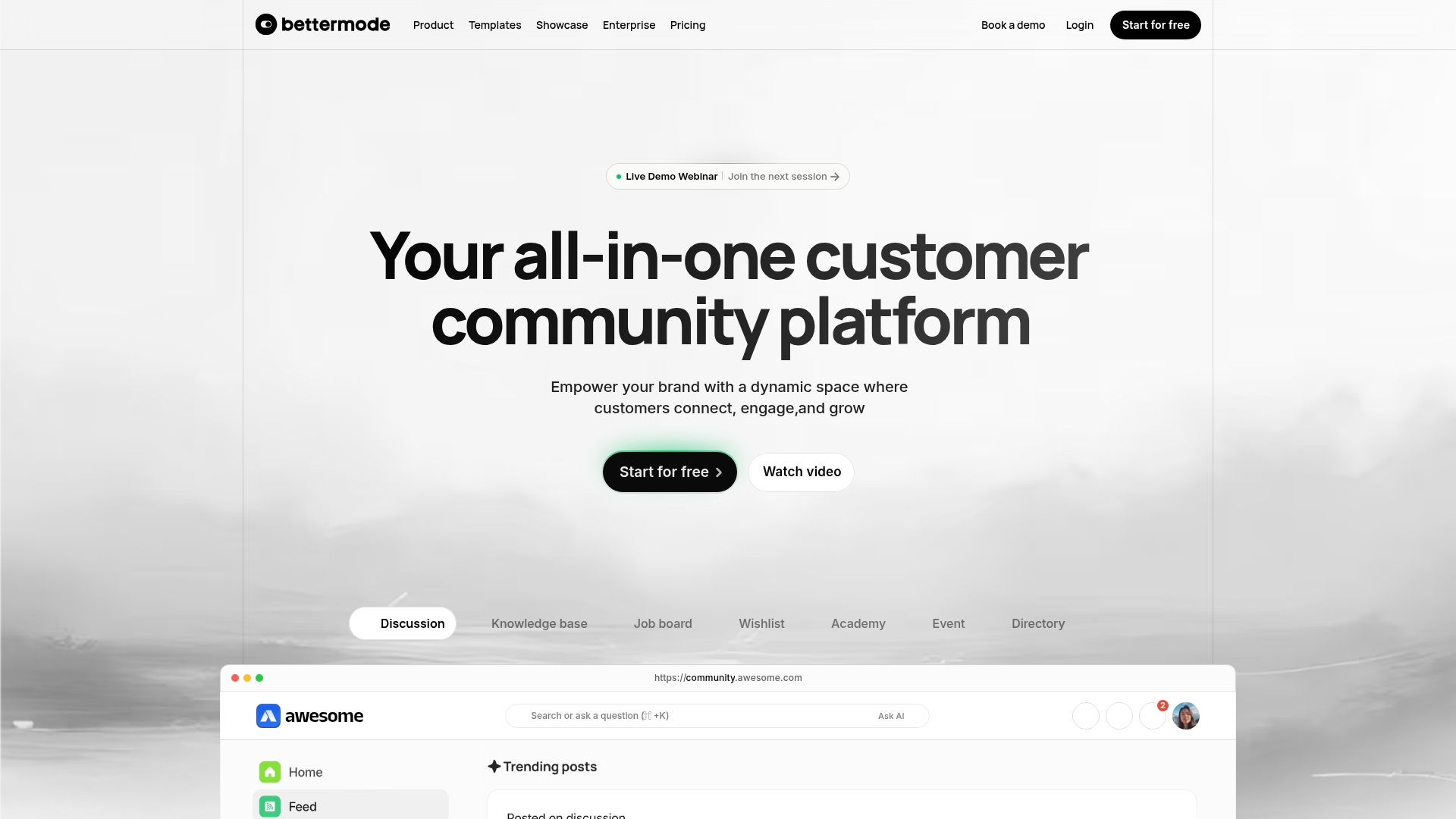
Bettermode provides an adaptable platform built to help organizations create thriving online communities. It's a solution that allows teams to foster engagement, streamline operations, and bring members closer together, no matter their location or needs.
Key Features
- Templated Community Layouts with Analytics Dashboards
Bettermode allows users to start with pre-designed community templates, reducing the effort required to build a functional space. Combined with analytics dashboards, it offers insights into community performance, helping leaders make informed adjustments to drive participation and interaction. - Multilingual Support for Global Reach
Reaching diverse audiences is seamless with Bettermode's multilingual capabilities. This feature ensures that content and interactions are accessible to members worldwide, breaking down language barriers and enabling inclusive communication. - Moderation and Automation Tools
Time-consuming administrative tasks are simplified with automation, while moderation features help ensure a safe and respectful community environment. These tools allow leaders to focus on fostering meaningful connections rather than getting bogged down in manual processes. - Integrations with CRM and Helpdesk Platforms
Bettermode connects with tools like Salesforce, HubSpot, and Zendesk, making it easy to manage customer relationships and support within the same ecosystem. When combined with project management tools, this integration ensures data flows smoothly, creating a unified experience for both administrators and members.
Slack
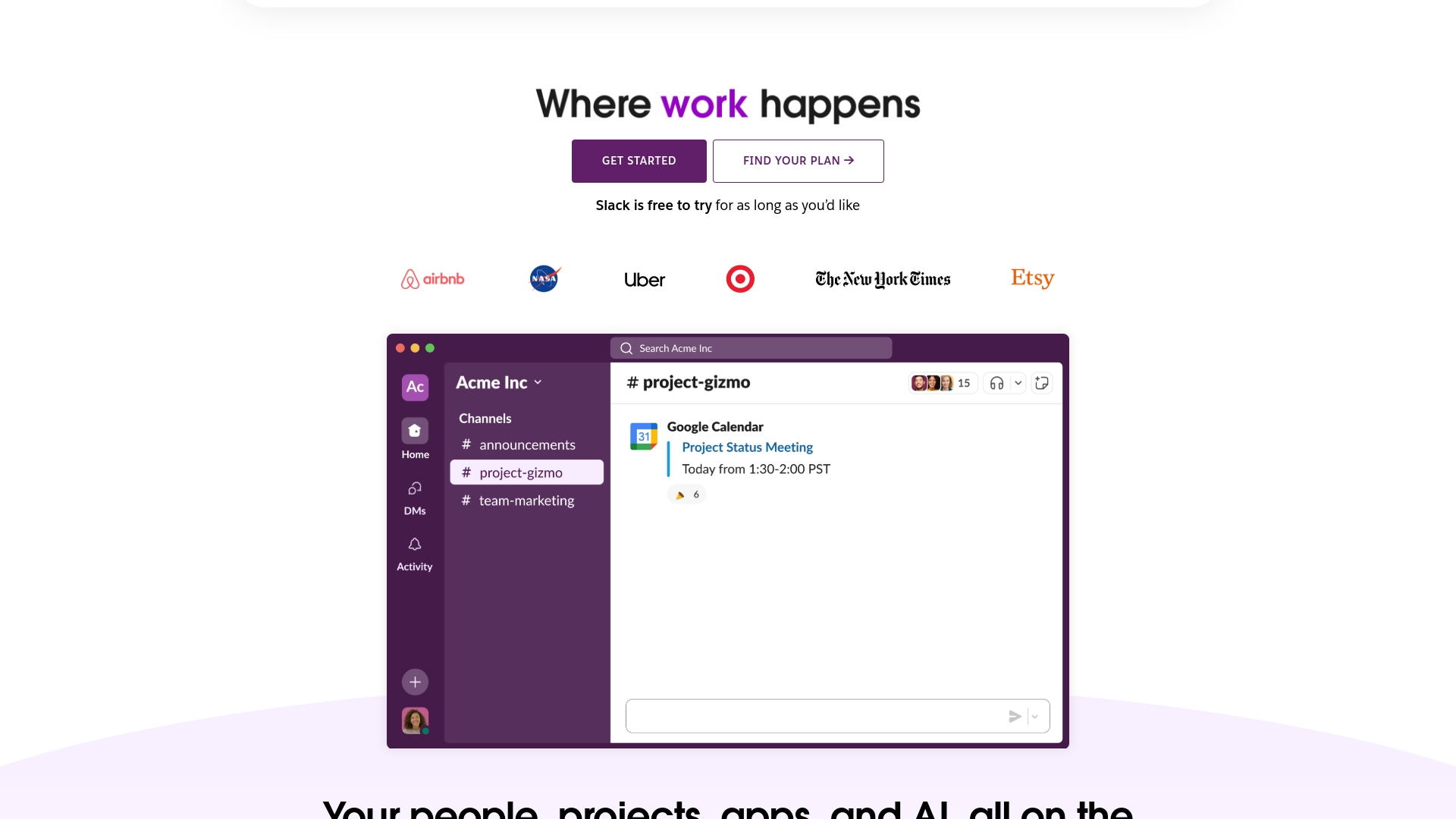
Slack has become a cornerstone for workplace communication, offering a space where collaboration happens seamlessly across teams. With its versatile features, Slack ensures that conversations, files, and workflows stay connected—helping teams move faster and with greater clarity.
Key Features
- Real-Time Chat Channels
Whether it's a project, department, or shared interest, Slack channels create a dedicated space for focused conversations. This structure supports transparency, ensuring everyone has access to the information they need—when they need it. - Threaded Messaging and File Sharing
Slack's threaded messaging keeps discussions organized, even in the busiest channels. Combine that with its file-sharing capabilities, and you have a platform designed to keep ideas flowing without friction. - Extensive Integrations
Slack connects with more than 2,600 apps, making it a hub for efficiency. From project management tools to cloud storage services, these integrations reduce context-switching and streamline workflows, all within the platform. - Flexible Communication
While Slack is primarily text-based, it also supports voice and video huddles for moments when real-time discussions are essential. This balance between asynchronous and synchronous communication ensures teams stay aligned without unnecessary delays.
Slack stands out for its simplicity and adaptability, creating a collaborative environment where teams can communicate with ease and efficiency.
Kajabi

Kajabi offers a unified platform where creators and small businesses can manage content, courses, and communities alongside marketing operations. Its approach is centered on simplifying workflows, helping users organize and scale their offerings without relying on multiple tools.
Key Features
- Integrated Community Tools
Kajabi creates spaces for connection with features like group posts, live chats, and rich media sharing. These tools are directly aligned with course and program delivery, making interaction more intuitive and seamless. By combining learning with engagement, creators can foster a more collaborative environment. - Automated Marketing Funnels
The platform prioritizes efficiency with automated marketing funnels designed to attract and convert leads. From landing pages to email sequences, Kajabi equips users with ready-made tools to streamline outreach and grow their audience. This level of automation reduces the manual workload often associated with lead generation. - Flexible Plans for Growth
Kajabi caters to a range of needs through tiered pricing options, starting at $89/month. Each plan offers scalability, whether you're a solo creator or leading a larger team. Features like affiliate programs, custom branding, and advanced support become available as your business expands, ensuring the platform grows alongside your efforts.
By blending course creation, community interaction, and marketing tools, Kajabi provides a practical solution for scaling online businesses.
Hivebrite
Hivebrite is designed to help organizations build vibrant, connected communities. With its customizable tools and intuitive interface, it offers a structured, branded space for professional associations, alumni networks, and membership-driven communities to thrive.
Key Features
- Organized Member Engagement
Hivebrite's member directory is more than a static list—it's a dynamic tool for fostering connections. Advanced search options and profile management ensure that members can find and engage with the right individuals or groups effortlessly. Paired with robust event management tools, including RSVP tracking and ticketing, Hivebrite simplifies the logistics of bringing communities together. - Tailored Networking Spaces
Community engagement is strongest when people connect on shared interests or goals. Hivebrite makes this possible by enabling organizations to create private networking groups. Whether for mentorship programs, professional development, or topic-specific collaborations, these customizable spaces facilitate meaningful interactions. - CRM-Inspired Community Tools
For communities driven by long-term relationships—like alumni groups or professional networks—Hivebrite integrates CRM-like features. This allows organizations to track activity, engagement, and preferences, ensuring they can craft personalized experiences that genuinely resonate with their members. - Branded, Mobile-Ready Design
Hivebrite empowers organizations to create communities that feel like an extension of their brand. From custom landing pages to mobile-friendly designs, every touchpoint is built to reflect the organization's identity. Whether members are engaging from their desktops or smartphones, the platform ensures a seamless, polished experience.
Discord
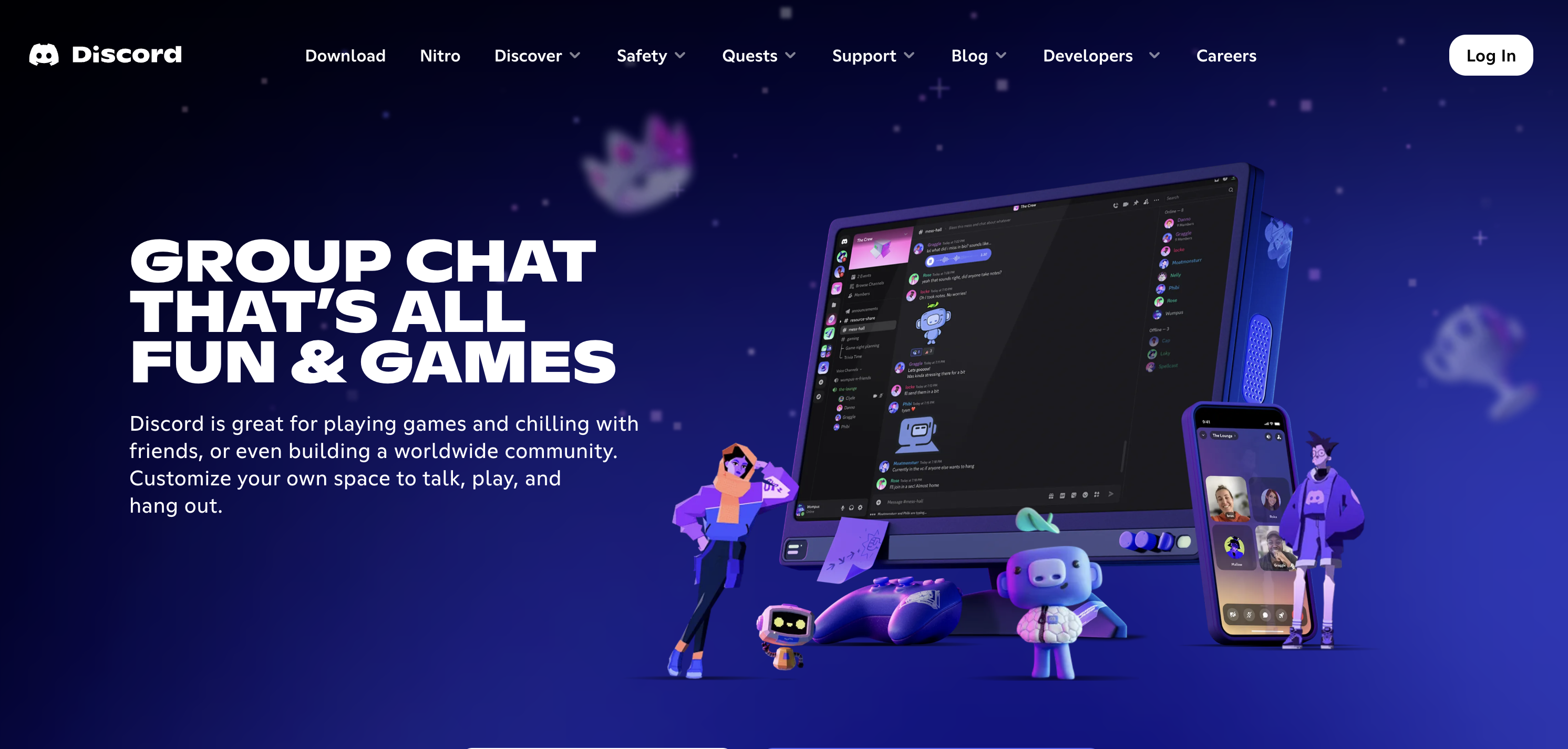
Discord started as a gaming chat tool but has grown into a default home for many online communities, prized for its real-time feel and the low barrier it gives new members to jump in and start participating.
Key Features
- Real-Time Text and Voice Channels
Discord organizes conversation into dedicated text and voice channels, letting communities separate casual chatter from focused discussion without losing the sense of always-on connection. Voice channels in particular give members a lightweight way to drop into live conversation, something most text-first platforms can't replicate. This mix of async and live interaction keeps engagement flexible rather than forcing everyone onto the same schedule. - Bots and Automation
A vast ecosystem of community-built bots handles everything from welcoming new members to moderating conversations and running scheduled events. This means organizers can automate the repetitive parts of running a community, like onboarding flows or rule enforcement, without needing custom development. The bot ecosystem is one of the most mature of any community platform, built up over more than a decade of active third-party development. - Free to Join, Flexible to Scale
Discord removes cost as a barrier to entry, which lowers friction for community growth and makes it easy for members to join multiple communities without commitment. The tradeoff is less built-in control over monetization compared to purpose-built platforms, so organizations looking to charge for access typically layer in third-party tools. For community building where reach and participation matter more than direct revenue, this tradeoff often works in an organizer's favor. - Role-Based Permissions
Granular roles let organizers segment access to channels, content, and moderation privileges by member type, whether that's separating public members from paying subscribers or giving moderators elevated control. This structure scales well as communities grow, letting organizers maintain order without manually managing access for every individual member.
Skool
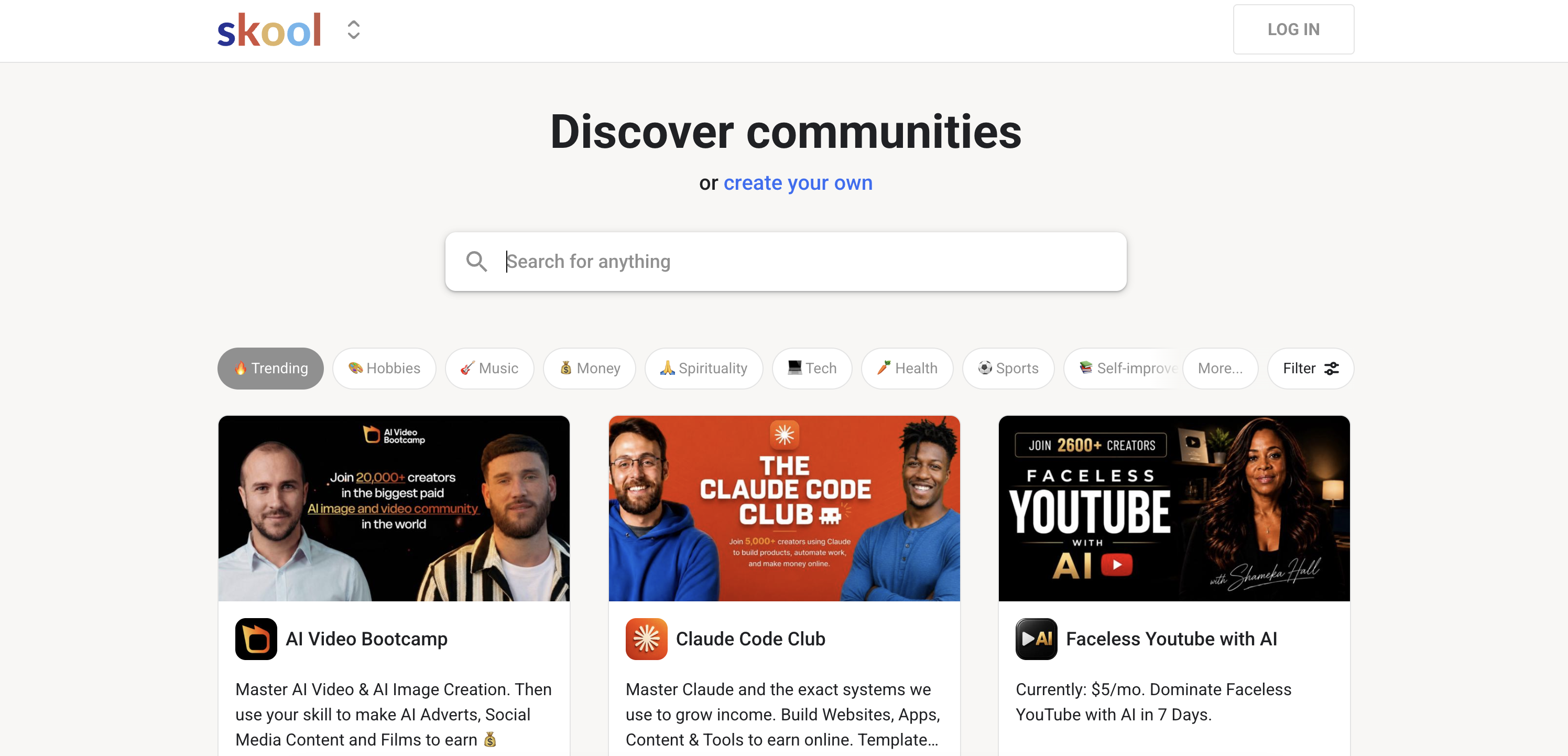
Skool combines community discussion, course hosting, and gamification into one deliberately simple interface, and has quickly become popular with cohort-based educators and course creators looking for an alternative to juggling separate tools.
Key Features
- Points and Leaderboards
Gamification sits at the center of Skool's design, with members earning points for posting, commenting, and completing course content, all visible on a community leaderboard. This built-in competitive layer drives a level of daily engagement that's harder to replicate on platforms where participation isn't visibly rewarded. For creators running cohort-based programs, the leaderboard often becomes a genuine motivator for learners to stay active between live sessions. - Combined Courses and Community
Course content and community discussion live side by side rather than in separate tools, so learners can move from a lesson straight into a related discussion thread without switching platforms. This tight integration mirrors what Kajabi offers but with a notably lighter, more minimal interface. Creators moving from spreadsheet-and-Slack setups tend to find the consolidation especially valuable. - Simple, Flat Pricing
Skool keeps its pricing model deliberately uncomplicated, with a single membership tier rather than the tiered plans common across most competitors. This makes it easy for creators to budget and compare costs without parsing multiple pricing pages. The simplicity extends to setup as well, with most communities able to launch in a single afternoon. - Growing Creator Ecosystem
Skool has built strong word-of-mouth momentum among online course creators and coaches, many of whom actively share setup tips and best practices within Skool's own community. This creates a rare feedback loop where the platform's most active users are also its best source of onboarding content. For creators new to community building, that peer support can shorten the learning curve considerably.
Higher Logic
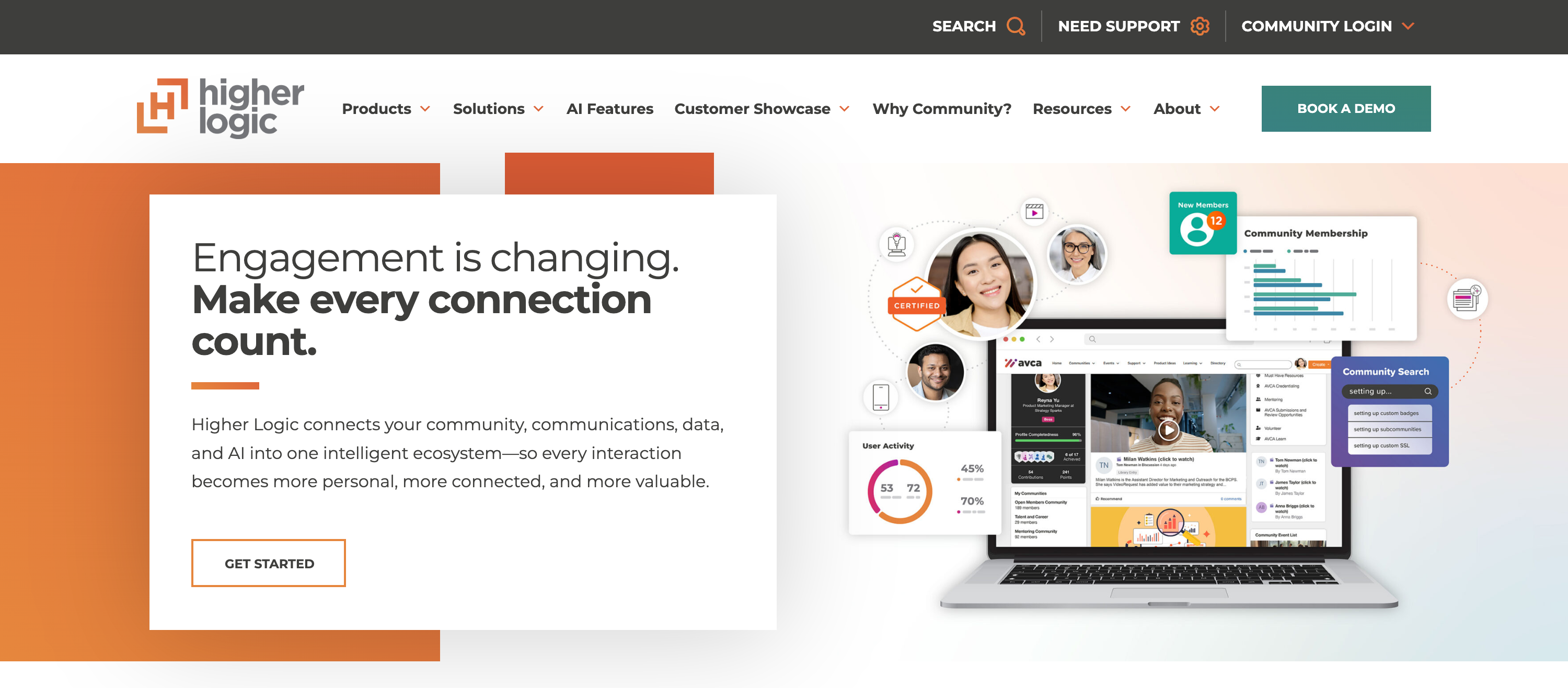
Higher Logic is an established enterprise community platform built for associations and B2B customer communities that need deep integration with existing CRM and membership systems rather than a standalone tool.
Key Features
- CRM and AMS Integrations
Higher Logic ships with pre-built integrations into association management systems and enterprise CRMs like Salesforce, letting member and engagement data flow automatically between systems. This is a significant differentiator for associations already running on an AMS, since it avoids the manual syncing that plagues most community platforms. Organizations with complex existing tech stacks often choose Higher Logic specifically to avoid rebuilding those integrations from scratch. - Advanced Moderation and Governance
Enterprise-grade moderation tools give administrators fine-grained control over content approval, member permissions, and audit trails, which matters for organizations with compliance or governance obligations. This level of control is more robust than what most consumer-facing community platforms offer, reflecting Higher Logic's roots in serving regulated and membership-driven industries. Legal and compliance teams tend to view this as a meaningful factor when evaluating platforms. - Email and Community in One System
Higher Logic combines community engagement with email marketing automation in a single system, so organizations can trigger targeted email campaigns based on member activity within the community itself. This removes the need to maintain a separate email platform and keeps engagement data unified in one place. For associations running frequent member communications, this consolidation can meaningfully cut down on administrative overhead. - Scalable for Large Membership Bases
Built from the ground up for organizations with tens of thousands of members, Higher Logic maintains performance and structure at a scale where many newer, lighter-weight platforms start to strain. This makes it a common choice for large national or international associations rather than smaller, single-organization communities. The platform's maturity in this space comes from years of serving exactly this kind of large-scale membership organization.
Choosing a community platform by use case
For nonprofits
Nonprofits need community platforms that support donor and volunteer engagement without enterprise pricing. Hivebrite and Disco stand out here, with directory and chapter tools that work well for geographically distributed volunteer networks.
For universities
University communities span current students, faculty, and departments, often with a need for tight integration into existing campus systems. Disco and Discord both see strong adoption, from cohort-based learning programs to informal student communities.
For alumni networks
Alumni networks prioritize long-term member directories and event management over daily active engagement. Hivebrite's chapter and directory tools make it a natural fit, though dedicated alumni relationship platforms exist for organizations that need CRM-level tracking of donor and giving history.
For B2B communities
B2B communities typically need tighter moderation and CRM integration than consumer-facing ones. Higher Logic and Disco both support the compliance and integration needs common in B2B customer and partner communities.
For online course creators
Course creators increasingly want community and content in the same platform. Kajabi and Skool both combine course hosting with community engagement, while Disco adds AI-powered curriculum tools on top.
For mobile-first communities
Communities where members primarily engage from their phones benefit from platforms with strong native apps. Disco, Kajabi, and Circle all offer polished mobile experiences.
Frequently Asked Questions
What distinguishes community engagement platforms from basic forums?
Community engagement platforms elevate the experience far beyond traditional text-based forums. They integrate interactive tools, streamlined designs, and unified functionalities that foster real connection and collaboration. These platforms aren't just about communication—they're about creating an active, engaging environment where learning and interaction thrive together.
How do these platforms help with learner retention?
Retention is built on meaningful engagement, and modern platforms are designed with this in mind. Features like gamified achievements, active discussions, and community recognition keep participation high. By fostering a sense of belonging and providing social motivators, they ensure learners remain connected and invested in their progress.
Can these platforms scale as my audience grows?
Absolutely. Designed for growth, many platforms offer tiered pricing and scalable infrastructure to meet your needs as your community expands. AI plays a key role here, optimizing operations and personalizing experiences to ensure the platform evolves alongside your audience, without compromising quality or engagement.
Are these platforms suitable for both live events and asynchronous learning?
Yes. The best platforms strike a balance, offering tools for real-time interaction alongside robust support for asynchronous engagement. Whether it's live webinars, on-demand content libraries, or discussion spaces, they're built to cater to diverse learning preferences while keeping everything organized and accessible.
Ready to explore how a smarter platform can transform your learning community? Book a Demo to see how Disco integrates AI-driven tools with seamless design to create a truly connected experience.


